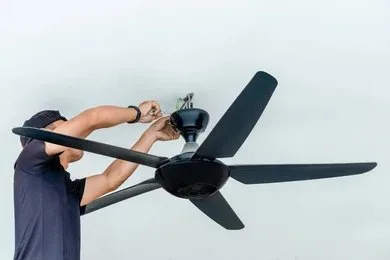
Ceiling Fan Installation Brisbane
Brisbane summers don't ease off gently. From the humid stretch between November and March through to those still, sticky nights on the Southside and out west, a house without decent air movement gets uncomfortable fast.
What Is Ceiling Fan Installation?
Ceiling fan installation is the process of mounting a fan to a ceiling-mounted electrical outlet and wiring it into the home's circuit, including fitting the correct support bracket, balancing the fan, and connecting it to a wall switch or remote receiver. It's classed as electrical work under Queensland law, which means it must be carried out — or at minimum signed off — by a licensed electrician, not a general handyman.
That last point catches a lot of Brisbane homeowners out. A fan looks like a simple swap, but the ceiling box behind it has to be fan-rated to handle the moving load, and the wiring has to be terminated correctly to avoid a fire risk down the track.
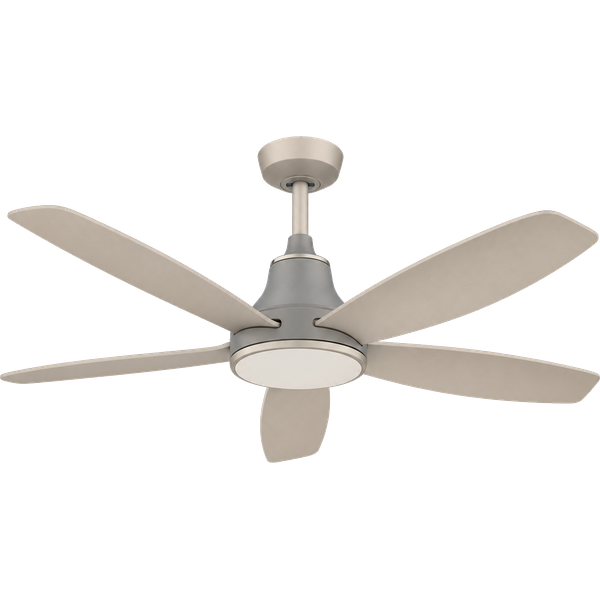
Signs You Need a New Fan or Fresh Installation
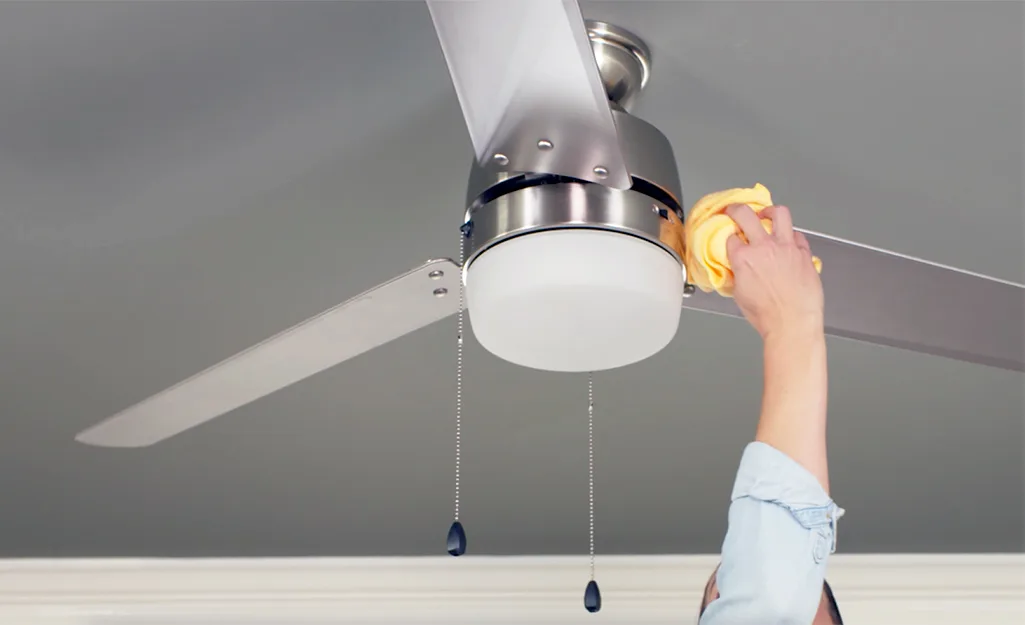
Your existing fan wobbles or makes noise.
A wobble usually means the mounting bracket has worked loose, the blades are out of balance, or the fan wasn't properly secured to a fan-rated outlet box in the first place. It's not always a fan fault — sometimes it's the ceiling fixing that's failed.
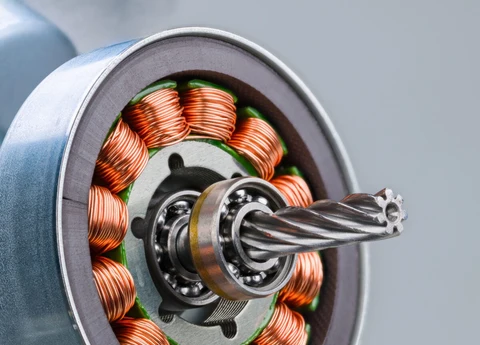
The fan hums, clicks, or the motor runs hot.
This points to a failing capacitor or motor winding. Continuing to run a fan like this is a fire risk, particularly if it's been happening for a while.
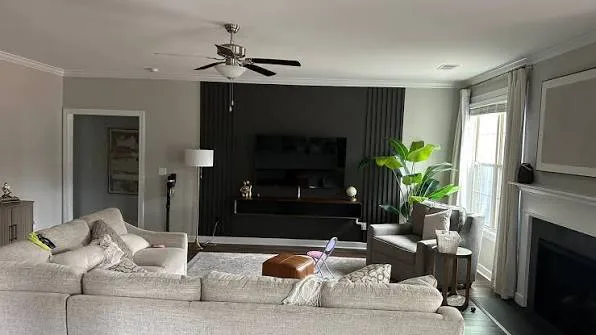
You're renovating or adding a room.
Any new build, patio enclosure, or granny flat needs its own wiring run for a fan — this isn't a retrofit job, it's new circuit work done properly from the ceiling down.
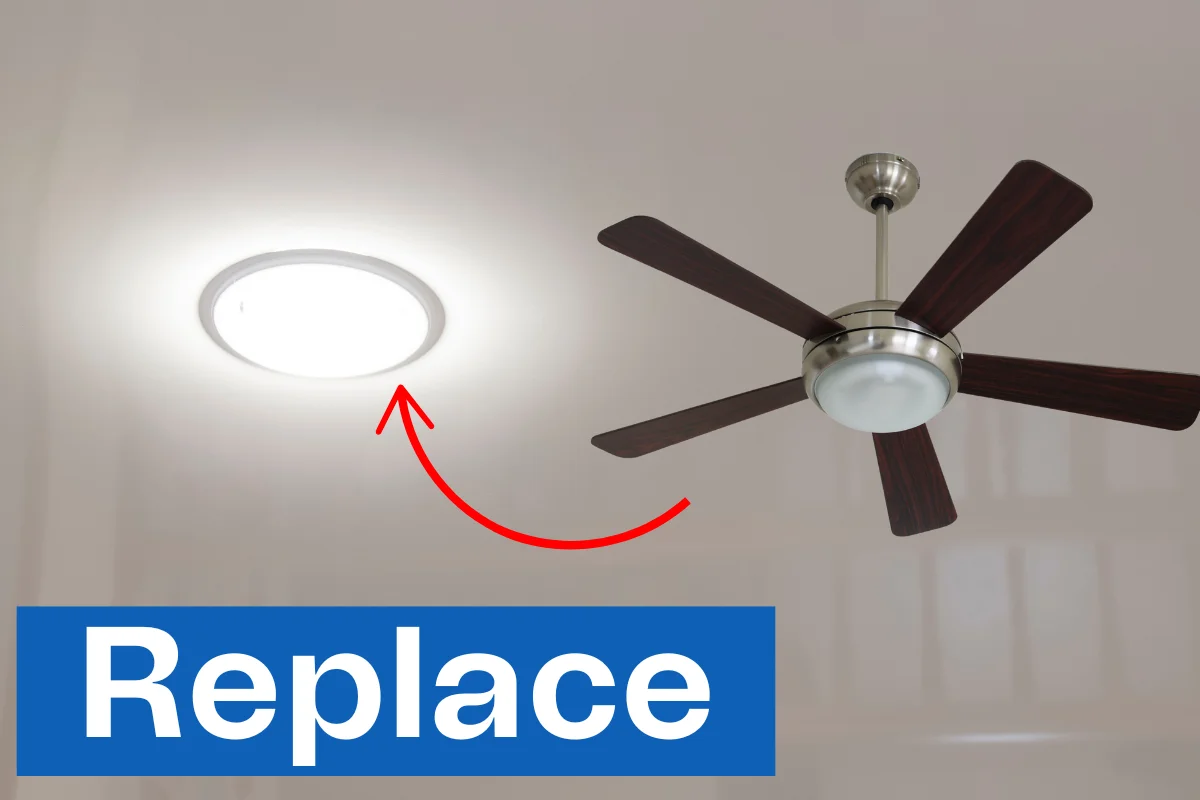
You want to replace a light-only fitting with a fan.
This is one of the most common calls we get. It's not a straight swap — it needs a structural check of the ceiling cavity and often a new support brace between joists.
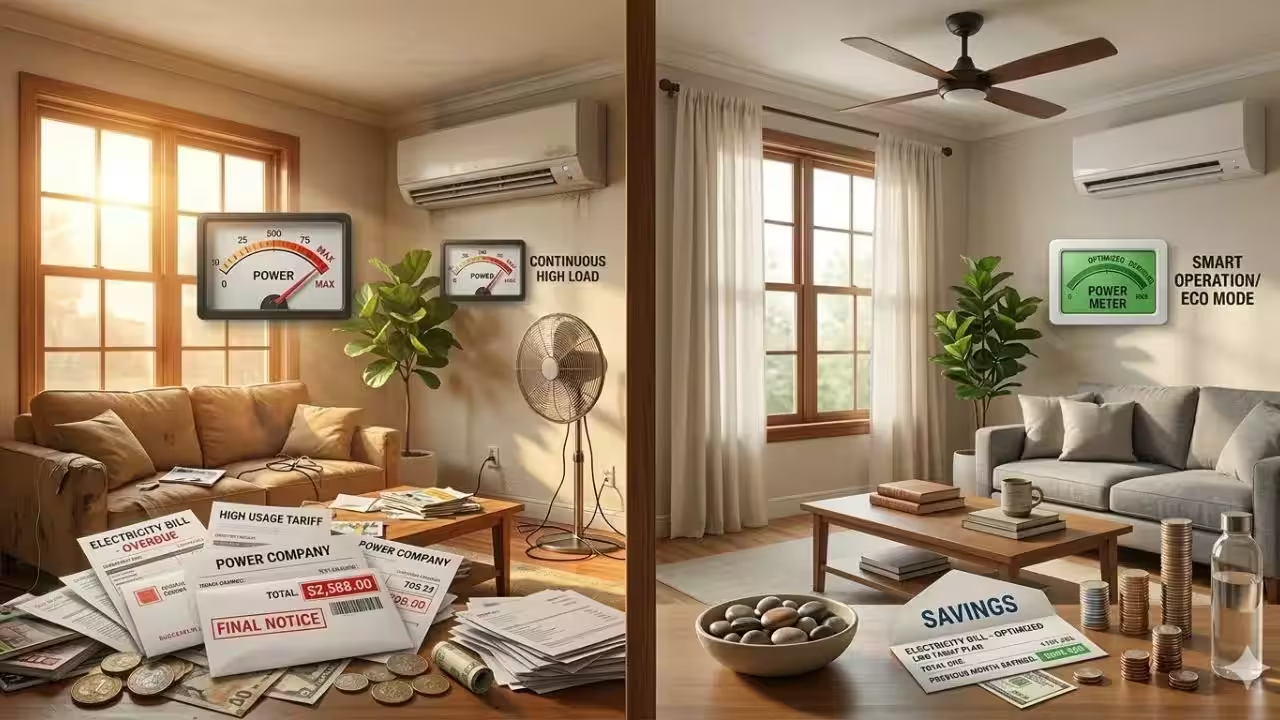
Your power bills are climbing in summer.
Older fans, especially AC motor units from the 2000s and earlier, are far less efficient than modern DC motor fans. Swapping over can noticeably cut cooling costs.
Why Brisbane Properties Need Reliable Fans
Brisbane's subtropical climate means most homes run fans nine or ten months of the year, not just over a few hot weeks. That constant use puts more wear on a fan than in cooler states, which is part of why we see so many worn-out or failing units on service calls across Chermside, Carindale, Wynnum and the inner Southside alike.
Older Queenslanders and post-war homes with ceiling roses that were never designed to take a fan's weight or vibration
Rooms with no existing wiring at all, particularly in additions and converted patios
Failing fans in units and townhouses where the original builder-grade fan was never a great fit for the room size
Outdoor entertaining areas and alfresco spaces that need a fan rated for exposure to weather, not an indoor unit bolted up under a patio roof
Outdoor and Alfresco Fan Installation
Brisbane's outdoor living culture means alfresco fans are one of our steadiest jobs, particularly through spring as people get patios ready for entertaining season. Outdoor installation carries extra requirements: weatherproof-rated fans, sealed electrical connections, and often a weatherproof isolating switch positioned clear of direct weather exposure. Getting this wrong doesn't just risk the fan — it risks the circuit it's wired into.
Energy Efficiency and Running Costs
A well-chosen ceiling fan is one of the cheapest ways to cool a Brisbane home compared with running air conditioning constantly. Modern DC fans typically cost only a few cents an hour to run, and using fans to support air conditioning — rather than relying on AC alone — can meaningfully cut summer power bills. For anyone building an energy-efficiency plan around their home, fan placement and motor type both matter more than most people expect.
Why Professional Installation Matters
Ceiling fan installation sits squarely inside licensed electrical work in Queensland, governed by the Electrical Safety Act 2002. Beyond the legal requirement, there's a practical safety case:
A fan pulling
A fan pulling itself loose from an under-rated mounting point is a genuine falling-object hazard, particularly with larger blade spans
Incorrect wiring
Incorrect wiring behind a switch or remote receiver can create a fault that trips circuits intermittently or, worse, doesn't trip at all
DIY or unlicensed
DIY or unlicensed fan work can void home insurance if it later causes damage or injury
installed fan
A properly installed fan with correct capacitor sizing and clean wiring terminations lasts years longer than one rushed on a Saturday afternoon
Types of Ceiling Fans: What Works Best in Brisbane Homes
Not every fan suits every room, and this is where a lot of online fan purchases go wrong before an electrician even gets involved.
| Feature | AC Motor Fans | DC Motor Fans |
|---|---|---|
| Running cost | Higher — draws more power at each speed | Up to 70% more efficient |
| Speed control | Usually 3 fixed speeds | 6+ speeds, finer control |
| Noise level | Noticeably louder at high speed | Near-silent operation |
| Upfront cost | Cheaper to buy | Higher purchase price |
| Best suited to | Budget installs, sheds, garages | Higher purchase price |
The Installation Process
Getting a ceiling fan installation right comes down to what happens above the ceiling, not just what's visible in the room:
Assess the ceiling structure
Install or confirm a fan-rated outlet box.
Run or connect wiring
Mount and balance the fan.
Test and certify the work.
Whether new wiring is required.
if there's no existing circuit to the location, running new cable adds to the job
Why Choose EP3 Electrical Services
We're a licensed electrical contractor working across Brisbane Northside and Southside, and ceiling fan installation is a job we do year-round, not just when it heats up. What that means for you:
- Licensed, insured electricians. Every fan installation is compliant with AS/NZS 3000 and backed by proper documentation.
- We check the ceiling structure before we mount anything. Not after.
- Straightforward, upfront pricing. No surprise call-out add-ons.
- Same tradesperson handles supply advice, installation, and testing. So nothing gets lost between quote and completion.
- Fast local response across Brisbane suburbs. On both sides of the river.