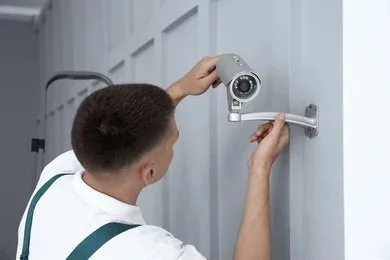
CCTV Camera Installation Brisbane
This isn't a job for a cordless drill and a YouTube tutorial. Camera placement, cable runs, power supply, network configuration and recording storage all affect whether a system actually works when you need it and getting it wrong can leave blind spots exactly where you needed coverage most.
Who Needs CCTV Installed?
Your street or suburb has had a run of reported break-ins.
See who's at the front door without opening it.
Renovating or building and want cabling installed before walls close up.
Existing system is outdated, offline, or missing footage when you actually need it.
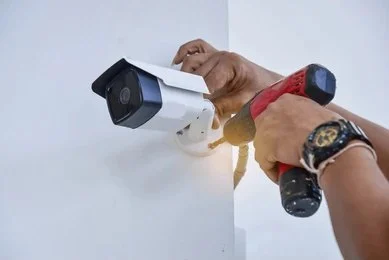
Homeowners
who've had a break-in attempt, live in a higher-traffic area, are frequently away for work or travel, or simply want to know who's at the door before answering it.
Landlords and property managers
looking to protect a rental asset, monitor common areas in a multi-unit dwelling, or provide tenants with added security.
Business owners
retail shops, warehouses, trade yards, cafés and offices — who need to protect stock, cash handling areas, staff and customers, and who often need footage for insurance claims or as evidence if an incident occurs.
Strata and body corporate committees
wanting coverage of car parks, lobbies, mailboxes and shared amenity areas, where a single incident can generate liability questions for the whole building.
Common Problems With DIY or Budget CCTV Systems
We get called out regularly to fix or replace systems that were never installed properly in the first place. The recurring issues:
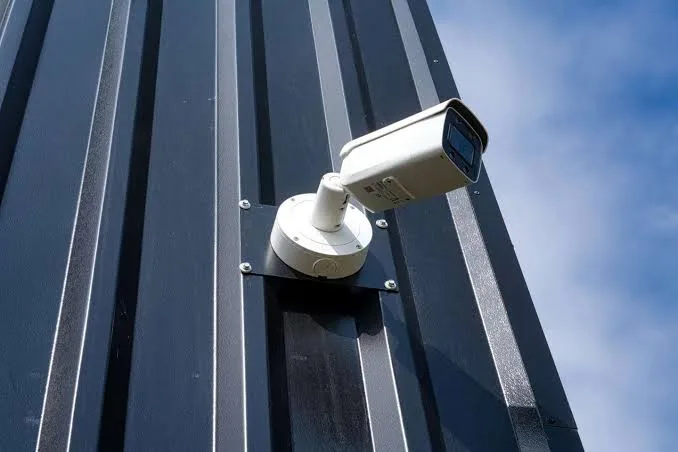
Cameras aimed at the wrong spot.
A camera mounted too high, angled into glare, or pointed at a fence line instead of the actual access point often looks fine on installation day and then fails to capture anything useful when it matters.
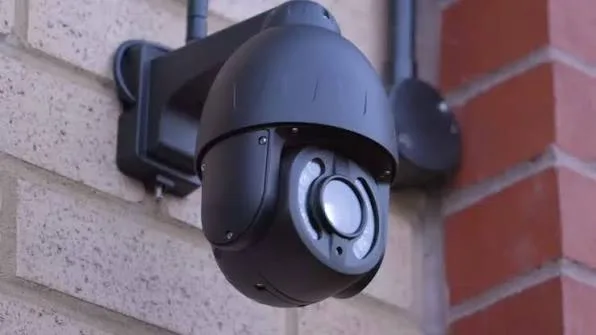
Wireless dropouts.
Battery-powered wireless cameras are easy to install but rely on Wi-Fi signal strength and battery charge. Weak signal at the far end of a Queenslander block, or a flat battery during a break-in, means no footage at all.
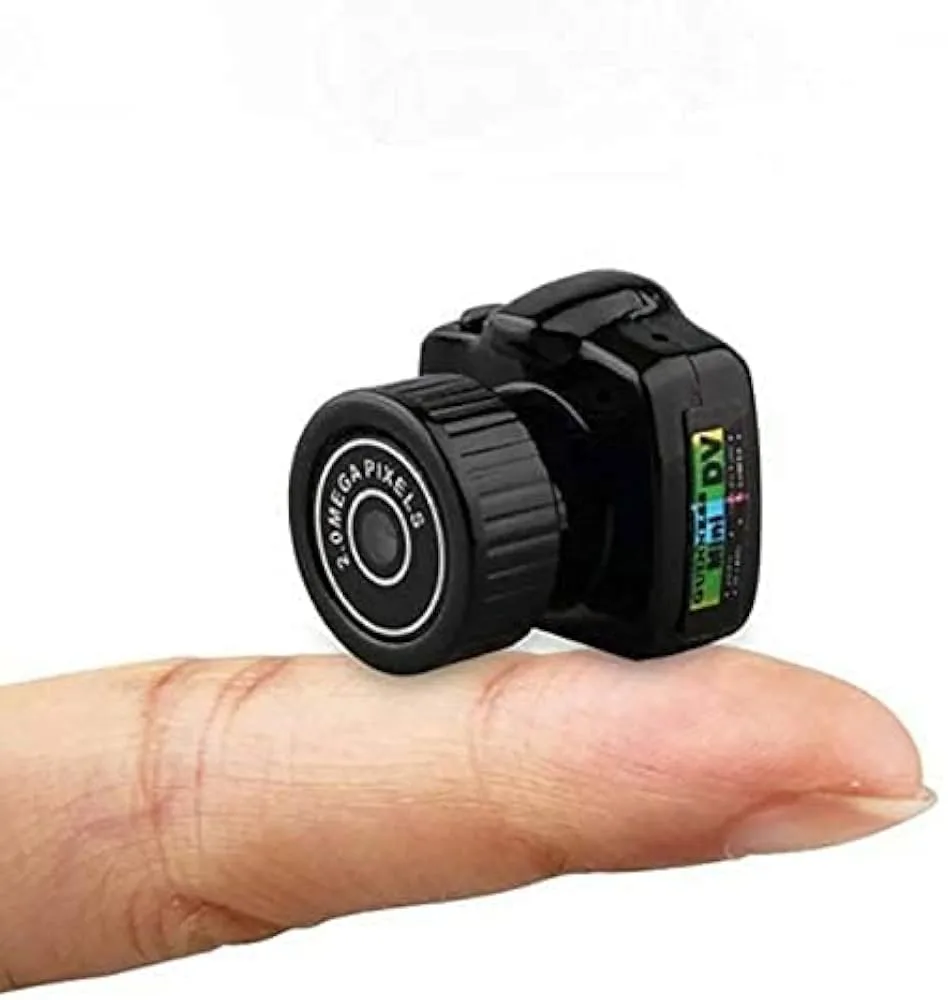
Undersized storage.
Continuous 24/7 recording on multiple cameras fills a small hard drive within days. Without enough storage or the right recording settings, footage from two weeks ago — often exactly when you need it — has already been overwritten.
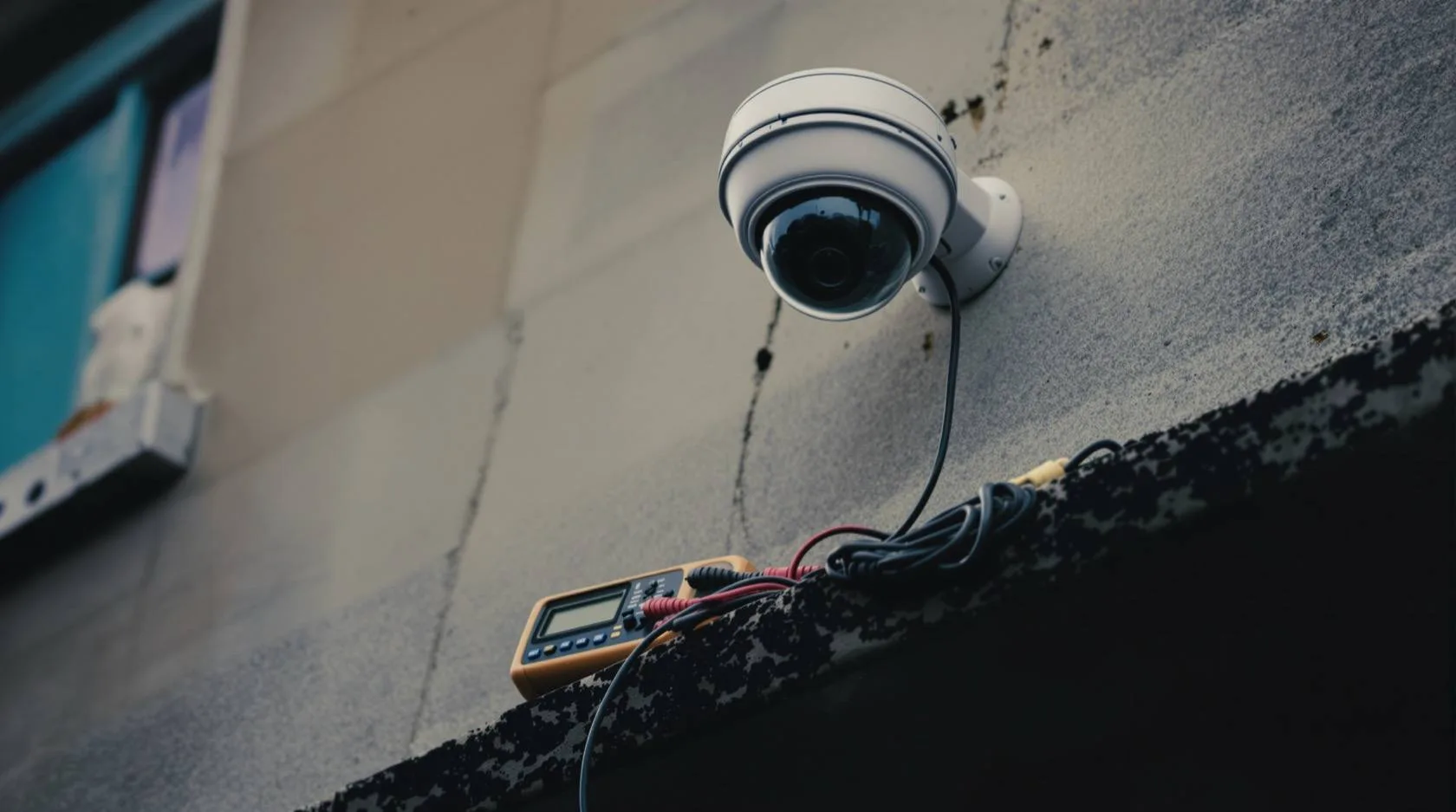
Exposed or unprotected cabling.
Cable runs left exposed on external walls get damaged by weather, tampered with, or simply look unfinished. Brisbane's storm season is hard on anything not properly weatherproofed and secured.
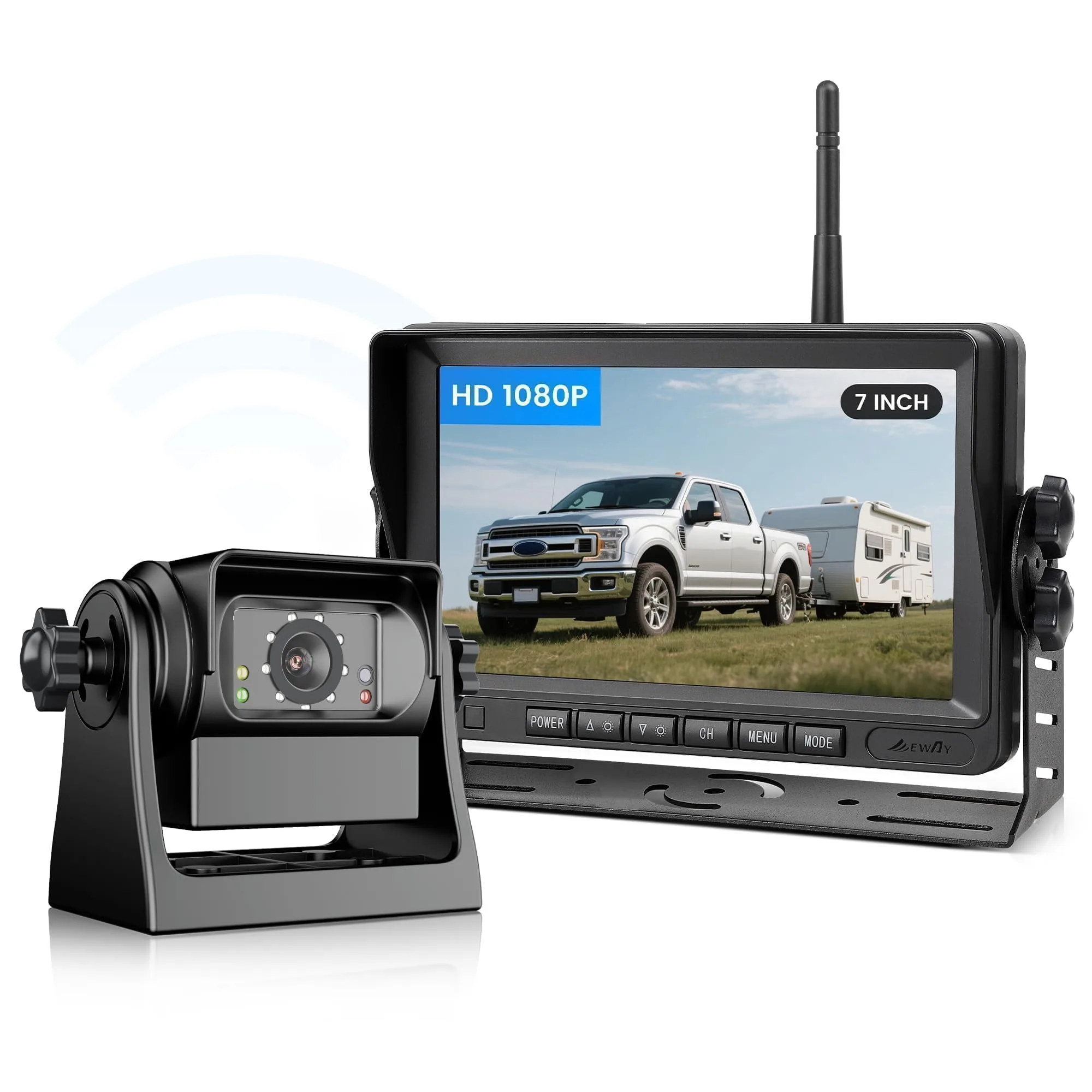
No power backup.
If a system loses power during a storm or blackout — common across Brisbane and Logan in summer — an unprotected setup goes dark exactly when activity is most likely.
What's Involved in a Professional CCTV Installation
Site assessment.
We walk the property (or review photos/plans for a remote quote) to identify entry points, blind spots, existing cabling paths and where a recorder can be securely housed.
System design.
Camera count, placement, lens type and resolution are matched to what you actually need covered — a two-camera setup on a townhouse looks very different to an eight-camera commercial layout.
Cabling and mounting.
Cable is run through roof space and wall cavities wherever possible, keeping the finished job clean and protecting cabling from weather and tampering. Cameras are mounted at a height and angle that maximises coverage while resisting easy interference.
Power and network setup.
Cameras and the recorder are wired into a stable power supply, with the NVR/DVR connected to your network for remote viewing.
Configuration and handover.
Motion zones, notification settings, and user access are configured, and we walk you through the app so you can check footage from your phone before we leave.
Wired vs Wireless CCTV: Which Suits Your Property?
| Factor | Wired (hardwired/PoE) CCTV | Wireless (Wi-Fi/battery) CCTV |
|---|---|---|
| Reliability | Continuous power and data connection, no dropouts | Depends on Wi-Fi signal and battery charge |
| Recording | 24/7 continuous recording as standard | Often motion-triggered only, to save battery |
| Video quality | Consistently supports higher resolution and frame rates | Can compress footage to manage bandwidth |
| Installation | Requires cable runs through roof/wall cavities — best done by a licensed electrician | Faster to install, minimal cabling |
| Maintenance | Low — no batteries to charge or replace | Batteries or solar panels need regular checking |
| Best suited to | Homes, businesses and strata wanting long-term, reliable coverage | Rentals, sheds, or areas where cabling isn't practical |
| Weatherproofing | Cabling can be fully concealed and sealed | Exposed units still need an IP-rated housing |
Benefits of a Professionally Installed System
Genuine deterrence
visible, well-placed cameras and signage put off a large share of opportunistic offenders before they act
Usable evidence
footage that's actually clear enough to identify a face or number plate, not a grainy blur
Remote peace of mind
check on your property, pets or business from anywhere with a phone signal
Insurance support.
a documented, professionally installed system can support claims and, in some cases, reduce premiums
Property value.
a clean, integrated security setup is a genuine selling point in Brisbane's current market
Compliance and Privacy: Property Owners Need to Know
CCTV installation in Queensland sits across two separate compliance areas, and it's worth understanding both before you sign off on a quote.
Electrical work
running cabling, connecting to mains power, and any hardwiring — must be carried out by a licensed electrical contractor, in line with the Electrical Safety Act 2002 (Qld) and AS/NZS 3000 wiring rules.
Security equipment installation
is separately regulated. Under the Security Providers Act 1993 (Qld), anyone installing, servicing or maintaining CCTV equipment for payment must hold a Class 2 (technical) Security Equipment Installer licence issued by Queensland's Office of Fair Trading. This applies on top of, not instead of, electrical licensing — the two licences cover different aspects of the same job. When you're comparing quotes, it's reasonable to ask an installer to confirm both.
Privacy considerations
Avoid angling cameras onto a neighbour's yard, windows or private outdoor areas — this can breach reasonable expectations of privacy under Queensland's Criminal Code Keep audio recording switched off unless all parties consent, as covert recording of private conversations is restricted under the Invasion of Privacy Act 1971 (Qld) For a business, visible signage that CCTV is in operation is standard practice and supports compliance with the Privacy Act 1988 (Cth) where footage may capture identifiable individuals
Why Choose EP3 Electrical Services
EP3 Electrical Services is a licensed and insured electrical contractor (Licence #1508410) servicing Brisbane, Logan, Redlands, Ipswich and the Gold Coast within a 30km radius of Daisy Hill. For CCTV and security work, our electricians handle the cabling, power supply and mounting to Australian Standards, and we're upfront with clients about the separate security licensing requirements under Queensland law so there are no compliance surprises down the track.
- Straight answers on what your property actually needs. No upselling a commercial-grade system to a two-bedroom unit.
- Cabling concealed and finished properly. Not left exposed on external walls.
- Availability for emergency electrical callouts. If a fault takes your existing system offline, we're available to help get it back up and running.
- Local knowledge of Brisbane's suburbs, housing stock and common problem areas. From older Queenslanders with limited roof access to newer builds on the Gold Coast fringe.