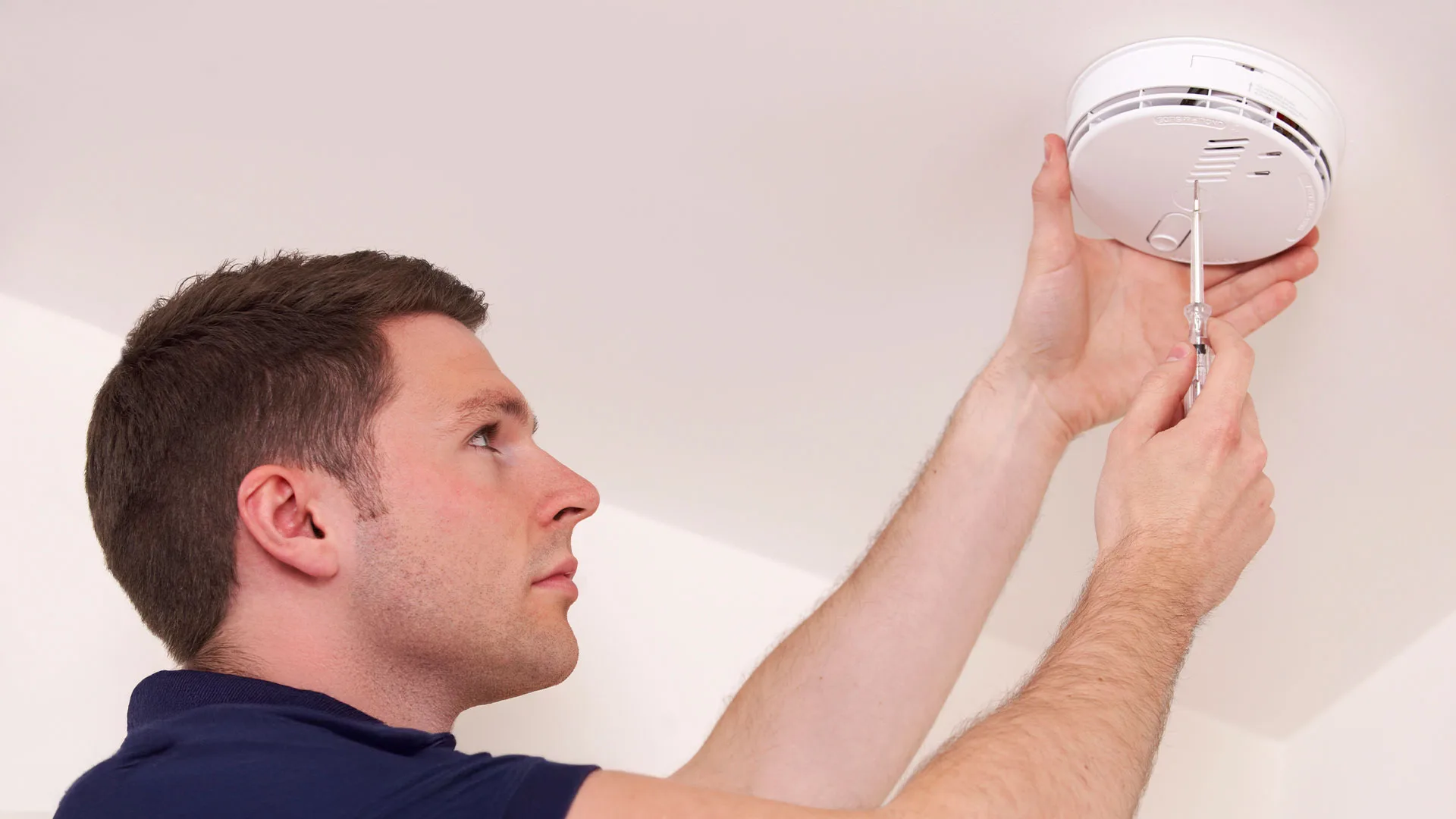
Smoke Alarm Installation Brisbane
All work is carried out by a licensed electrician and finished with the compliance documentation you'll need for tenants, buyers, or your own peace of mind.
What Is an Interconnected Photoelectric Smoke Alarm?
A photoelectric smoke alarm uses a light beam to detect smoke particles, triggering an alert when smoke interrupts the beam. This technology responds faster to smouldering fires the slow-burning, high-smoke fires most common in house fire fatalities — than the older ionisation alarms it's replacing.
Interconnection means every smoke alarm in the home communicates with the others. If smoke is detected in the garage, the alarm in the upstairs bedroom sounds at the same time, not several minutes later once smoke has physically travelled through the house. That gap matters most while people are asleep, which is when the majority of fatal house fires occur.
Who Needs Smoke Alarm Installation or Upgrades
Homeowners with alarms older than 10 years
or units without a visible manufacture date
Landlords and property managers
Compliance has been mandatory for Queensland rentals since 2022, and it's checked at the start of every new tenancy and lease renewal
Anyone selling a property
a Form 24 declaration confirms compliant alarms are installed before settlement, and non-compliance can hold up conveyancing
Owners renovating or extending
building approval triggers immediate compliance with the current standard, regardless of the 2027 deadline
Anyone with ionisation alarms still in place
check the back of the unit; if there's no "AS 3786-2014" marking, it needs replacing
New Queenslander or post-war home buyers
older Brisbane housing stock often still has original hallway-only smoke detection with no interconnection at all
Warning Signs Your Smoke Alarms Are Out of Date
A few checks you can do from the ground, without touching anything:
No date stamp, or a manufacture
date over 10 years old on the back of the unit
Alarms only in hallways,
none inside bedrooms
A single alarm
that doesn't trigger the others when you press test
Battery-powered units
with a removable battery compartment rather than a sealed 10-year lithium cell
A yellow radioactive trefoil symbol
on the alarm — this indicates an ionisation alarm, which no longer meets Queensland's standard
Frequent false alarms from cooking or steam
which is more common with older ionisation sensors and often the reason people end up removing batteries altogether — leaving the home with no working alarm at all
Hardwired vs Wireless Interconnected Alarms
Homeowners sometimes ask why residential electrical work is priced or scoped differently to commercial jobs. The short answer: scale and standards.
| Factor | Hardwired (240V) | Wireless (10-Year Sealed Lithium) |
|---|---|---|
| Interconnection method | Cabled through ceiling to a lighting circuit | Radio frequency signal between units |
| Best suited to | New builds, renovations, homes already having electrical work done | Homes where running new cable is difficult or costly |
| Installer required | Licensed electrician only | Licensed electrician for compliant installation and certification |
| Power source | Mains power with battery backup | Sealed 10-year lithium battery, no replacement needed |
| Reliability | Considered the most reliable interconnection method | Reliable, but signal interference from thick walls or distance can occasionally affect range |
| Typical scenario in Brisbane homes | Common in newer builds and full renovations | Common in older Queenslanders with limited ceiling access |
Our Smoke Alarm Installation Process
Assessment
we check your existing alarms against current locations, alarm count, age and type requirements, and identify whether hardwiring or wireless interconnection suits your ceiling access and ceiling type
Installation.
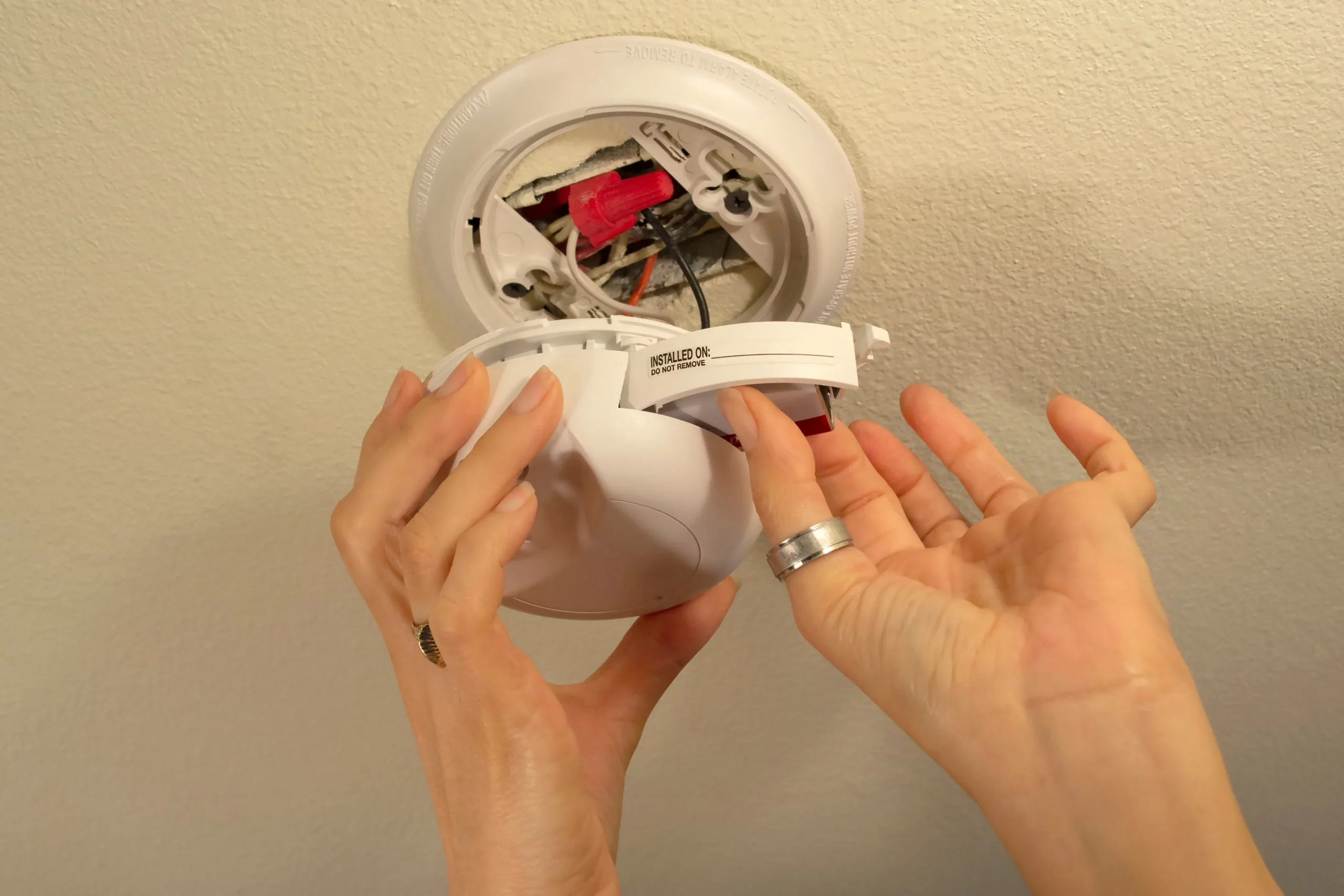
Hardwired 240V units are wired into your existing lighting circuit and interconnected via cable; wireless RF alarms use sealed 10-year lithium alarms that interconnect without chasing cable through the ceiling, useful in homes where running new wiring is impractical
Positioning.
Every bedroom, every hallway connecting bedrooms to the rest of the home, and at least one alarm on every storey, kept clear of air-conditioning vents and ceiling fans that can affect smoke detection.
Testing.
Every alarm is triggered individually to confirm the full interconnected system activates together, not just the unit that was tested
Certification.
hardwired installations are issued a compliance certificate under the Electrical Safety Regulation 2013, which you can provide to tenants, buyers, conveyancers or your insurer
Why This Isn't a DIY Job
Mixing brands or alarm generations. Alarms can look interconnected but not actually communicate with each other — this can pass a visual check but fail when it matters.
Miswired or mis-synced interconnection. One alarm may fail to trigger the rest when it should.
Incorrect positioning. Alarms installed too close to vents, fans or corners can create dead zones or cause nuisance triggering.
No compliance certificate. This can become a real problem later at sale, lease renewal, or if you need to make an insurance claim.
Battery-only smoke alarms can legally be installed by a homeowner. Hardwired alarms cannot connecting a smoke alarm into a lighting circuit is electrical work under the Electrical Safety Act 2002 (Qld), and it has to be carried out and certified by a licensed electrician. Beyond the legal requirement, a few things are easy to get wrong without the right testing equipment:
Why Brisbane Choose EP3 Electrical Services
- Licensed and insured electricians. Working to AS 3786-2014 and Queensland's smoke alarm legislation, not generic guesswork.
- Local knowledge of Brisbane housing stock. Queenslanders, post-war brick homes, and newer double-storey builds across the Northside and Southside all present different ceiling access and wiring challenges.
- Compliance certification provided on completion. Ready for tenants, buyers, conveyancers or insurers.
- Straightforward scheduling. Most single-property installations are completed in a single visit.
- No pressure upselling. If your existing alarms are compliant, we'll tell you, not talk you into a full system you don't need.