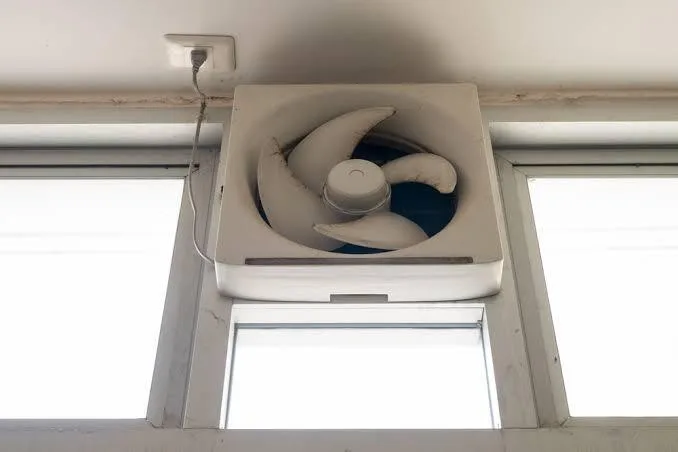
Exhaust Fan Installation Brisbane
Brisbane's subtropical climate is hard on homes that aren't ventilated properly. High humidity, heavy summer storms and long stretches of muggy weather all push moisture into bathrooms, kitchens and laundries. Without a fan pulling that moist air out of the house, it settles into grout, timber, plasterboard and roof cavities, and mould follows not long after.
What an Exhaust Fan Installation Involves ?
Exhaust fan installation is the process of fitting a fan into a bathroom, kitchen, laundry or commercial space and wiring it to safely extract moisture, odours, heat and airborne particles to the outside of the building. It's not just a case of screwing a unit into the ceiling. A proper installation covers the electrical connection, the switching (including any timers, humidity sensors or light/fan combinations), and the ducting run that carries the exhausted air out through the roof, eave or external wall.
Because a ceiling or wall exhaust fan is hardwired into your home's electrical circuit, it's licensed electrical work under Queensland law. It's not a DIY job, and it's not something a handyman without an electrical licence can legally carry out.
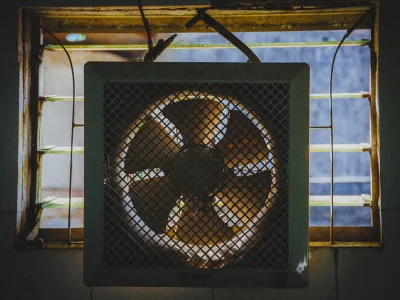
Signs You Need a New or Upgraded Exhaust Fan
Most call-outs we get for exhaust fans in Brisbane homes come down to one of these:
Persistent condensation
on bathroom mirrors, windows or tiles well after use
Visible mould or mildew
developing in grout lines, ceiling corners or around window frames
A fan that runs but does nothing
air isn't actually being cleared, often because it's ducted into the roof cavity instead of outside
Excessive noise or rattling,
usually a sign of a worn motor or loose ducting
No fan at all
in a bathroom or toilet without a window – which doesn't meet building requirements
Musty smells
in bathrooms, laundries or enclosed toilets
Kitchen fumes and grease build-up
where there's no rangehood extraction to outside air
Why Ducting Matters More Than the Fan Itself ?
This is where a lot of older exhaust fan installations around Brisbane fall short, and it's worth explaining properly. A fan is only as good as where the air actually goes.
In plenty of older Brisbane homes
In plenty of older Brisbane homes – particularly highset Queenslanders and post-war brick houses – exhaust fans were simply vented straight into the roof cavity rather than ducted through to the outside. That was common practice decades ago, but it's a poor outcome for the building. All that warm, moist bathroom air ends up sitting against roof timbers and insulation instead of leaving the house, which is exactly how you get roof rot, corroding fixings and mould growing where you can't see it.
Our electricians run ducting
Our electricians run ducting through to a proper external discharge point – through the roof, an eave vent or an external wall – wherever the building allows it. On single-storey homes with well-ventilated tiled roof space, exhausting into the roof cavity can sometimes be acceptable, but on lower levels of two-storey homes and in enclosed roof spaces, ducting to the exterior is the only appropriate solution. We'll assess your roof space and tell you straight what's actually needed for your property, not just what's easiest to install.
Types of Exhaust in Brisbane Homes
Brisbane's housing stock is a mix of eras, and each brings its own electrical quirks:
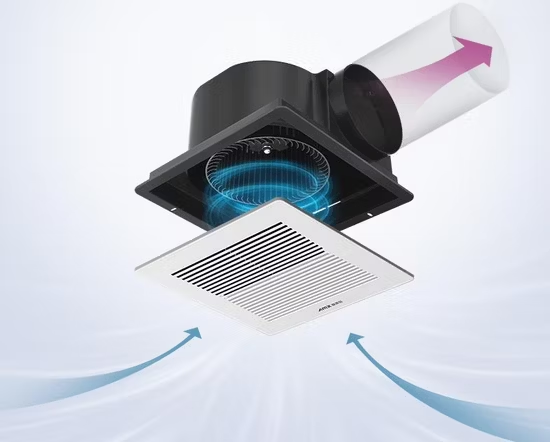
Ceiling exhaust fans
The standard option for bathrooms, ensuites and laundries, mounted flush into the ceiling and ducted to outside air
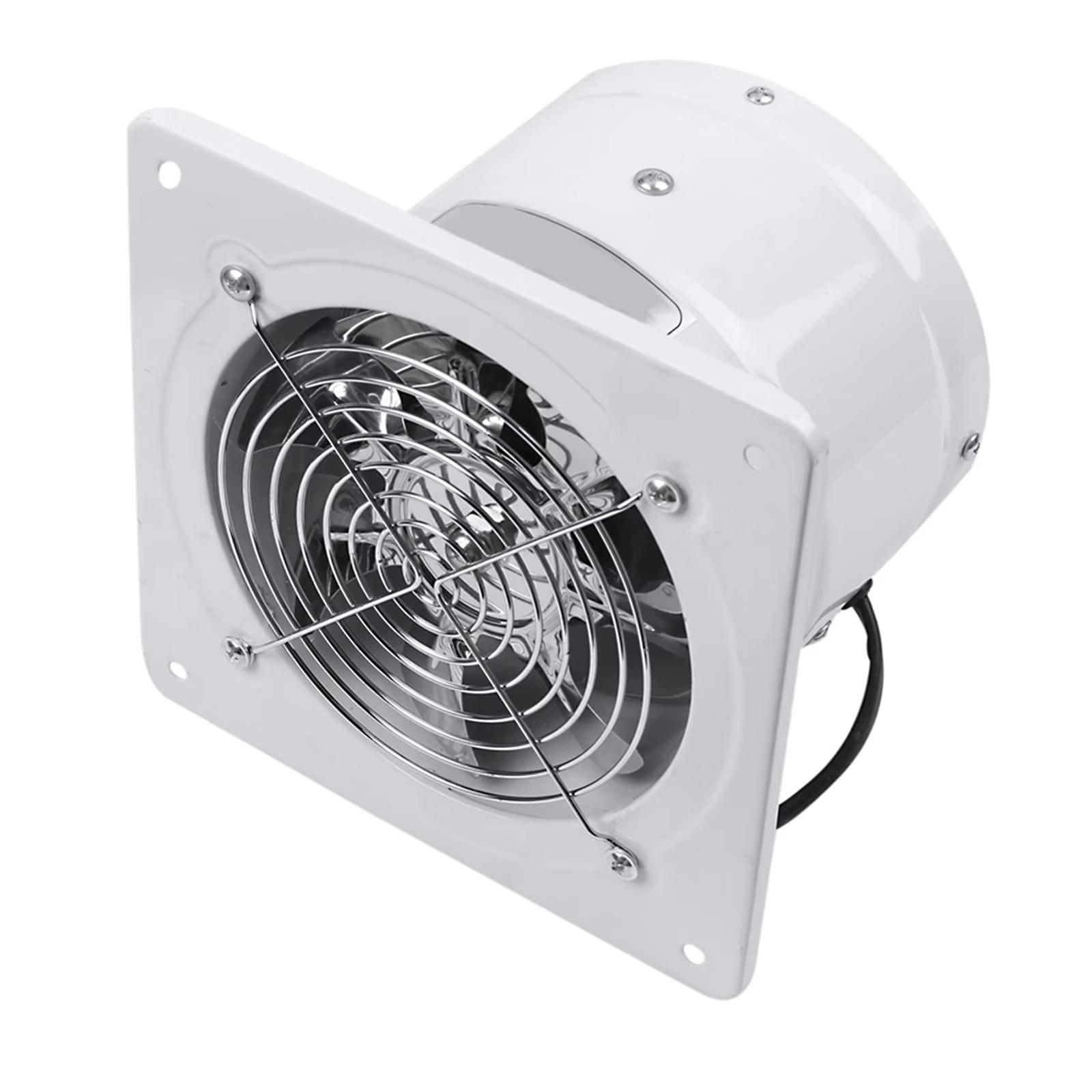
Wall-mounted exhaust fans
Suited to kitchens, garages and rooms without easy roof access, extracting directly through an external wall
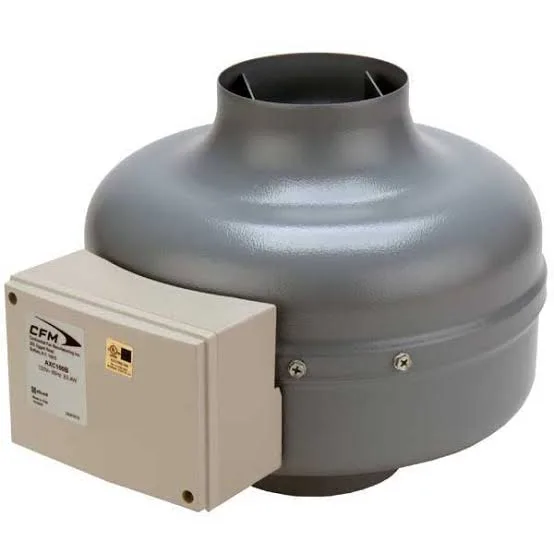
Inline (in-duct) fans
Mounted within the ductwork rather than at the ceiling outlet, useful where noise needs to be minimised or where a single fan needs to service more than one room
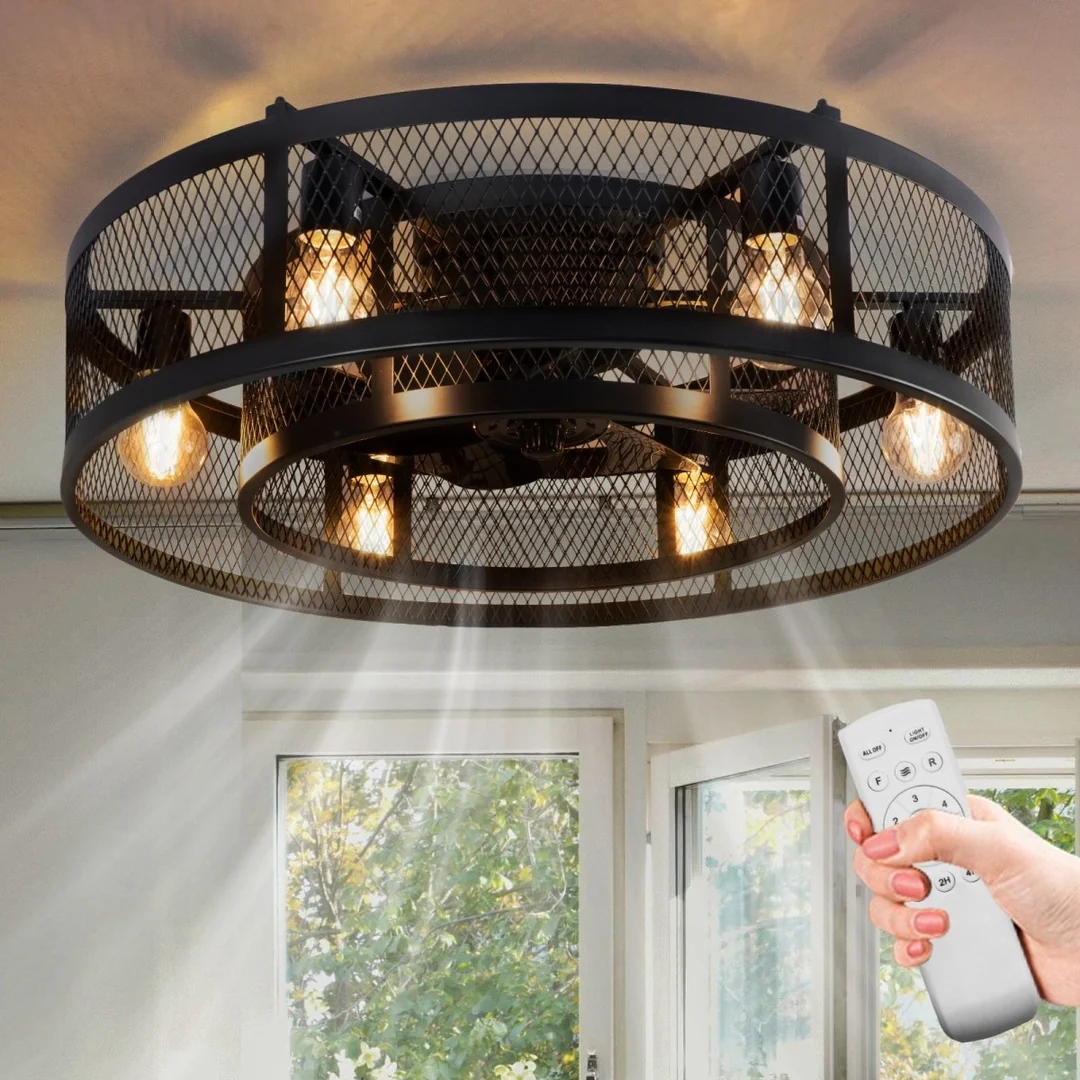
Fan/light combination units
common in smaller bathrooms and ensuites where ceiling space is limited
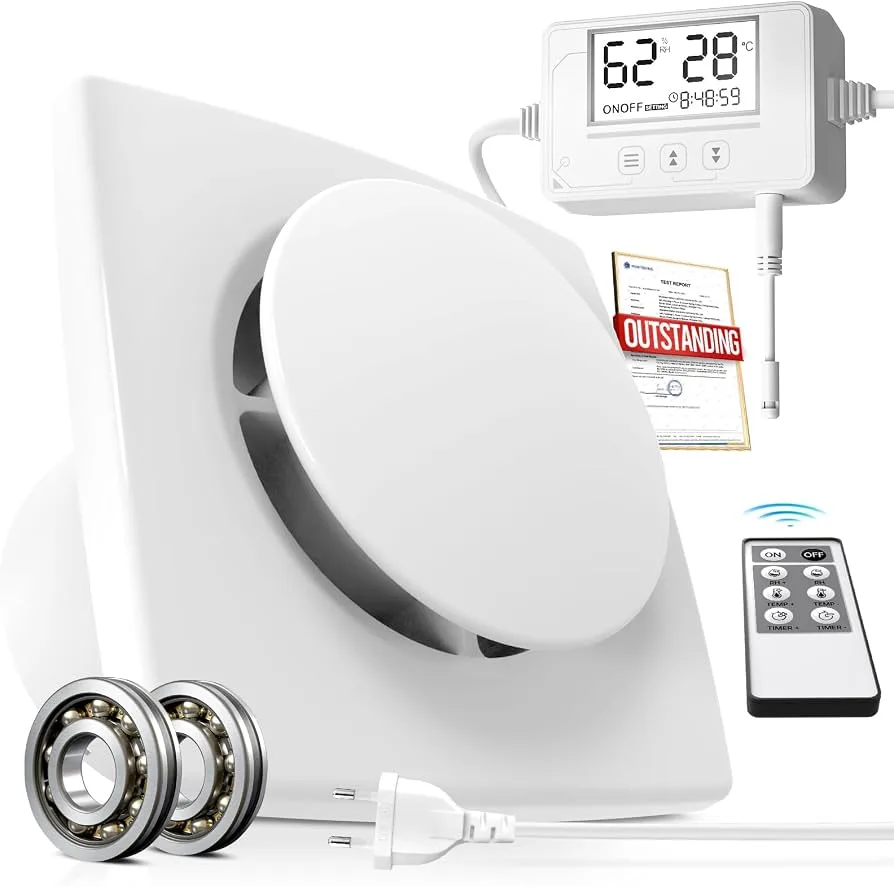
Humidity-sensing and timer fans
switch on automatically when moisture levels rise, or run for a set period after the light is switched off, so ventilation happens even if nobody remembers to flick the switch
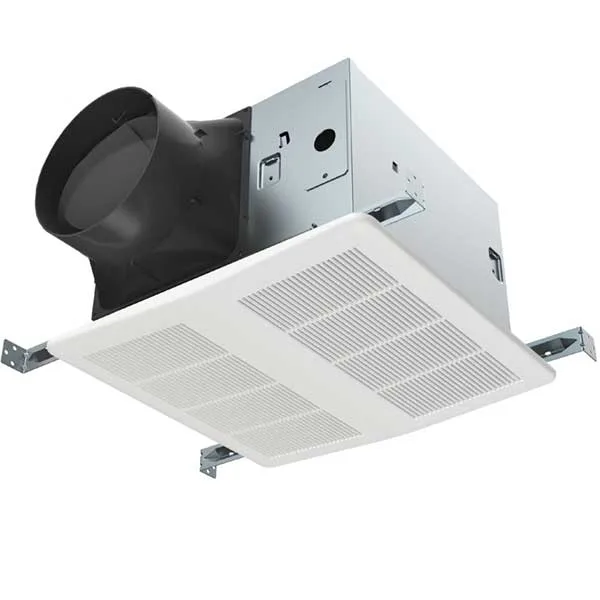
Commercial extraction fans
igher-capacity units for commercial kitchens, bathrooms and amenities blocks, often tied into broader mechanical ventilation systems
Residential customers call us for the same reasons on a smaller scale a safety switch that keeps tripping, a circuit that’s gone dead, or an older Brisbane home where the wiring’s degraded enough that faults are becoming a pattern rather than a one-off.
Compliance and Safety Considerations
Exhaust fan work in Queensland sits under the same regulatory framework as any other electrical installation:
AS/NZS 3000 (the Australian/New Zealand Wiring Rules) .
Governs how the fan is wired, isolated and protected, including safety switch (RCD) protection for the circuit
The Electrical Safety Act 2002 (Qld).
requires the work to be carried out by a licensed electrical contractor and, in most cases, followed by a Certificate of Compliance for Electrical Work
National Construction Code ventilation provisions.
require mechanical exhaust ventilation in bathrooms, toilets and laundries that don't have adequate natural ventilation (such as an openable window) – this is why an internal bathroom or toilet legally needs a fan, not just a nice-to-have
Bathroom zoning rules
dictate what type of fan and fitting can go where in relation to showers and baths, based on splash zones
Bathroom vs Kitchen vs Laundry Exhaust Fans: How They Differ
Homeowners sometimes ask why residential electrical work is priced or scoped differently to commercial jobs. The short answer: scale and standards.
| Factor | Bathroom / Ensuite | Kitchen | Laundry |
|---|---|---|---|
| Primary purpose | Moisture and steam extraction | Grease, smoke and odour extraction | Moisture and odour extraction |
| Typical fan type | Ceiling-mounted, often with light or heat combo | Wall-mounted rangehood or ducted extraction | Ceiling or wall-mounted |
| Special requirements | Bathroom zoning rules apply near showers/baths | Grease filters need regular cleaning; higher airflow needed | Standard ducting to exterior |
| Control options | Humidity sensor or timer common | Manual switch, often multi-speed | Timer or manual switch |
| Compliance driver | NCC ventilation requirement for windowless bathrooms/toilets | Not usually mandatory but strongly recommended | Recommended in enclosed laundries |
What Affects the Cost of Exhaust Fan Installation
There's no single fixed price for exhaust fan installation, and any business quoting one figure over the phone without seeing the job is guessing. The main cost drivers are:
Whether ducting already exists
Roof and ceiling access.
Distance to an external discharge point.
Number of fans.
Fan features.
Whether new wiring is required.
Why Choose EP3 for Exhaust Fan Installation in Brisbane
We're licensed, insured electricians working across Brisbane Northside and Southside, and exhaust fan installation is a routine part of our residential and commercial workload rather than a side job. A few things that matter to our customers:
- Proper ducting, every time. We won't leave a fan venting into an unventilated roof cavity just because it's the quicker option.
- Straight answers on what's actually required. If your bathroom doesn't legally need a fan but would clearly benefit from one, we'll tell you that too.
- Upfront written quotes before work begins. No surprises on the day.
- Certificate of Compliance. Issued for every job.
- Certificate of Compliance. Issued for every job.
- Local knowledge of Brisbane housing stock. From timber highset Queenslanders to newer brick veneer builds, and what each one needs for correct ventilation.