
EP3 Electrical

Australian Standards (AS/NZS 3000)

Outdoor Light Installation Brisbane

EP3 Electrical Services is a licensed Queensland electrical contractor (Licence No. 1508410) installing garden, pool, security, deck, pathway, wall and commercial façade lighting across Brisbane's Northside and Southside. If you'd like a licensed electrician to look at your property, you can request a quote and we'll arrange a site visit.

Signs your outdoor lighting needs an electrician

Lights flicker, dim or drop out in wet weather

The safety switch trips when it rains

Condensation or water inside a lens or fitting

Corrosion, cracked casings or melted plastic

A driver or transformer that runs hot or buzzes

Exposed, chewed or cut cable

Old halogen floodlights that run very hot

Lights switching on and off by themselves

Any outdoor wiring that have been under floodwater

If outdoor lighting has sparked, smells burnt, or a cable is exposed and wet, switch the circuit off at the switchboard, keep clear and call an emergency electrician. After flooding, don’t re-energise anything that has been submerged until a licensed electrician has tested it.

Homes, strata and commercial properties

Homes. Outdoor lighting is mostly about safety, family and being able to use your yard after dark. It also matters when you're coming home late and carrying shopping.

Strata and commercial. The priorities shift to compliance, reliability and continuity of trade. That means controls that run themselves, fittings that won't need replacing every year, and installation work planned around your operating hours.

Outdoor Lightings the types we install

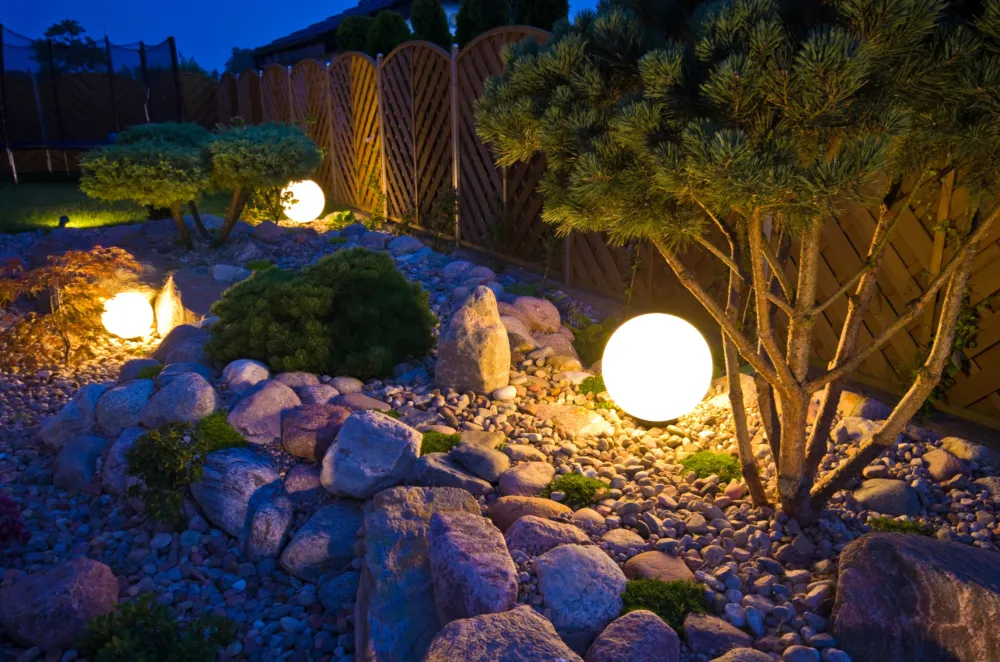
Garden lighting

Garden lighting uses low-glare fittings, such as uplights, spike lights and well lights, to bring out planting and trees while keeping walkways readable at night. In Brisbane, palms, frangipanis and established figs suit uplighting particularly well.
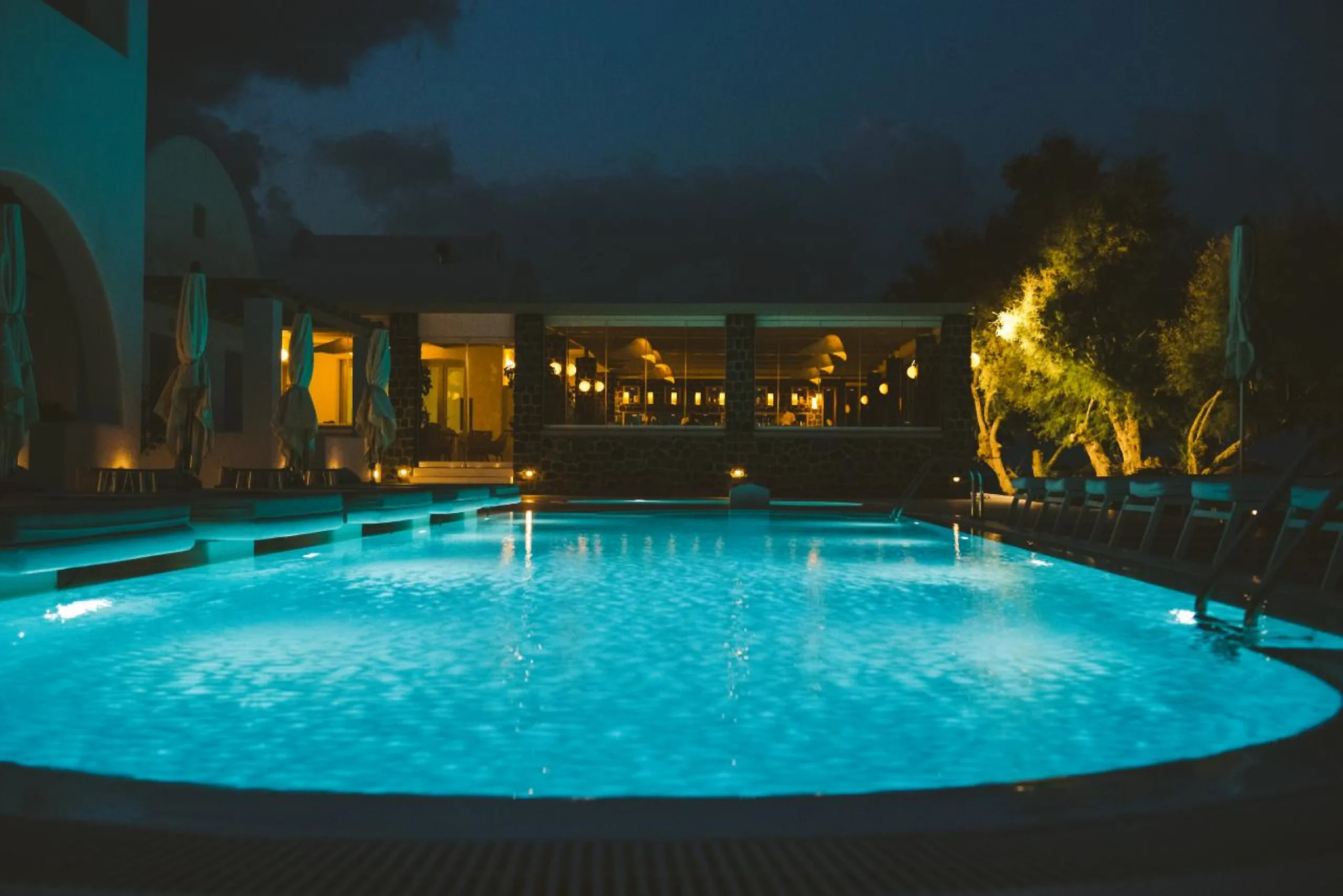
Pool lighting

We install and replace underwater LED pool lights and wire above-water lighting for pool surrounds, keeping every fitting and switch inside the zone rules. Two warnings from experience: never open or replace a pool light while the circuit is live, and never use garden-grade fittings in or beside a pool. They aren't rated for it.
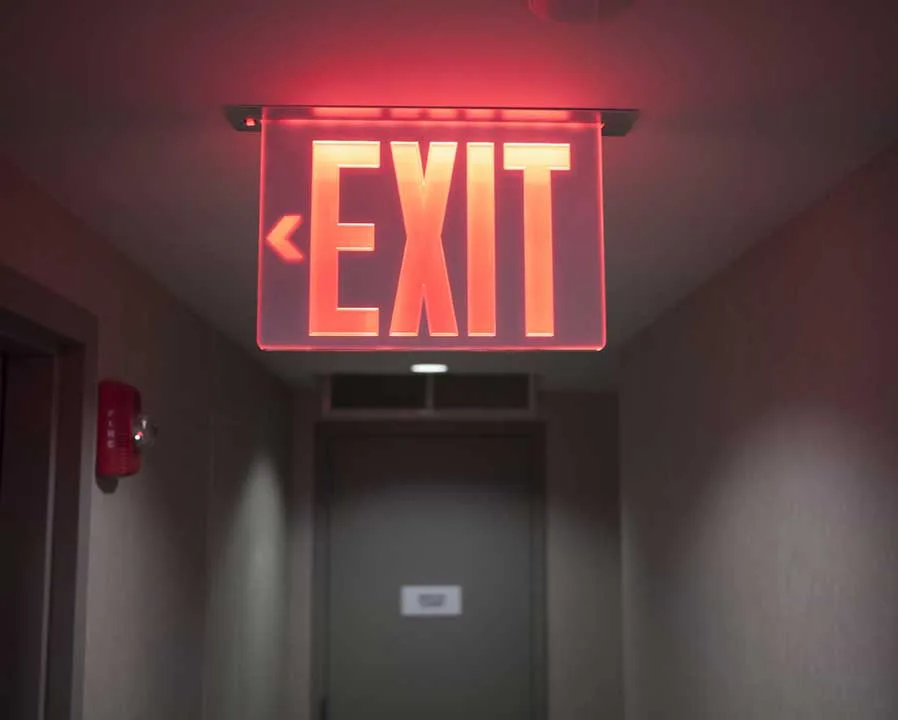
Emergency and Exit Lighting

Emergency and exit lighting in Brisbane for homes and businesses. We provide professional installation, repairs, replacement and maintenance of emergency lights and exit signs to help keep evacuation routes clearly illuminated when needed.
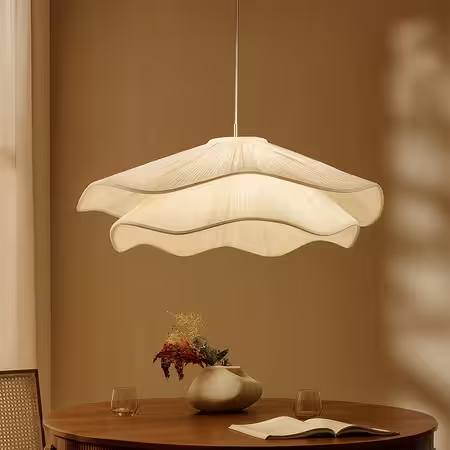
Deck and patio lighting

An alfresco area is a second living room in Brisbane, and it needs lighting that suits it: warm, dimmable and controlled from a weatherproof switch at the door. Options include downlights in the eaves or pergola ceiling, wall lights, post lights, and step or rail lights on timber decks.
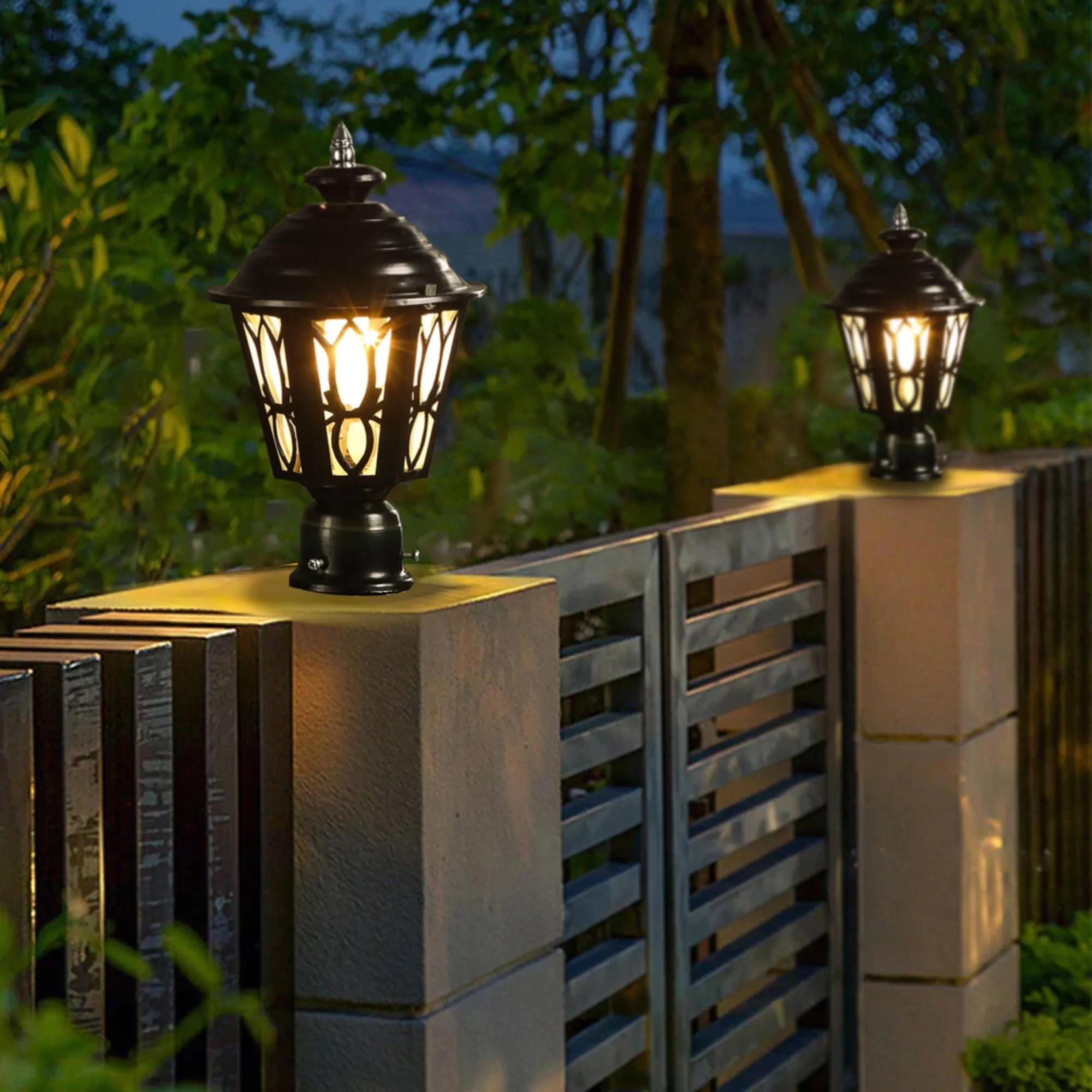
Pathway lighting

Pathway lighting places low-level light along paths, stairs and driveways so edges are visible and trip risk drops. Bollards, recessed step lights and riser lights are the usual choices.
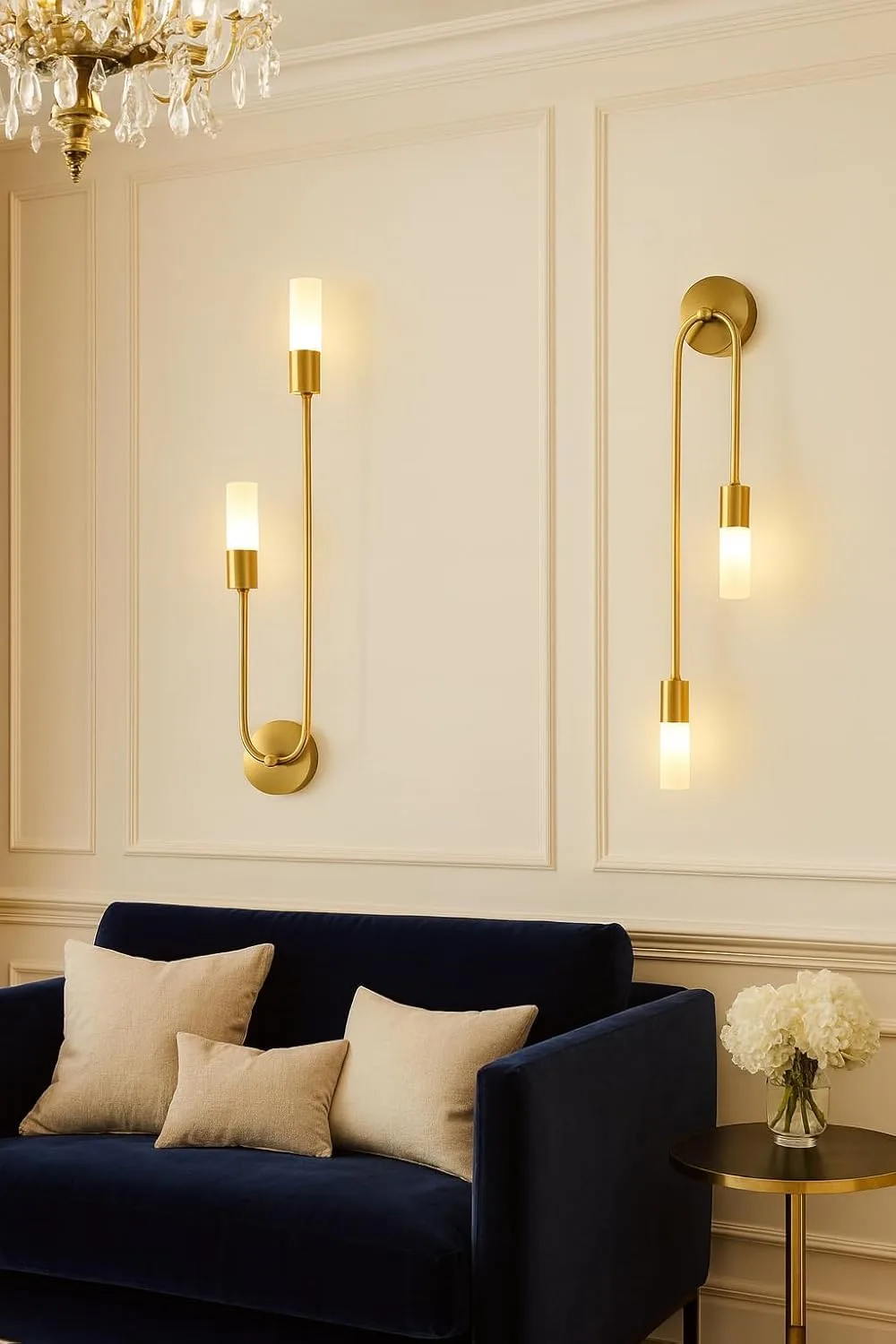
Architectural wall lighting

Architectural wall lighting uses up/down wall lights, wall washers or recessed fittings to highlight the texture and shape of a building. It suits face brick, stone, render and timber battens, and it's what gives a Queenslander's verandah or a modern rendered home its after-dark presence.
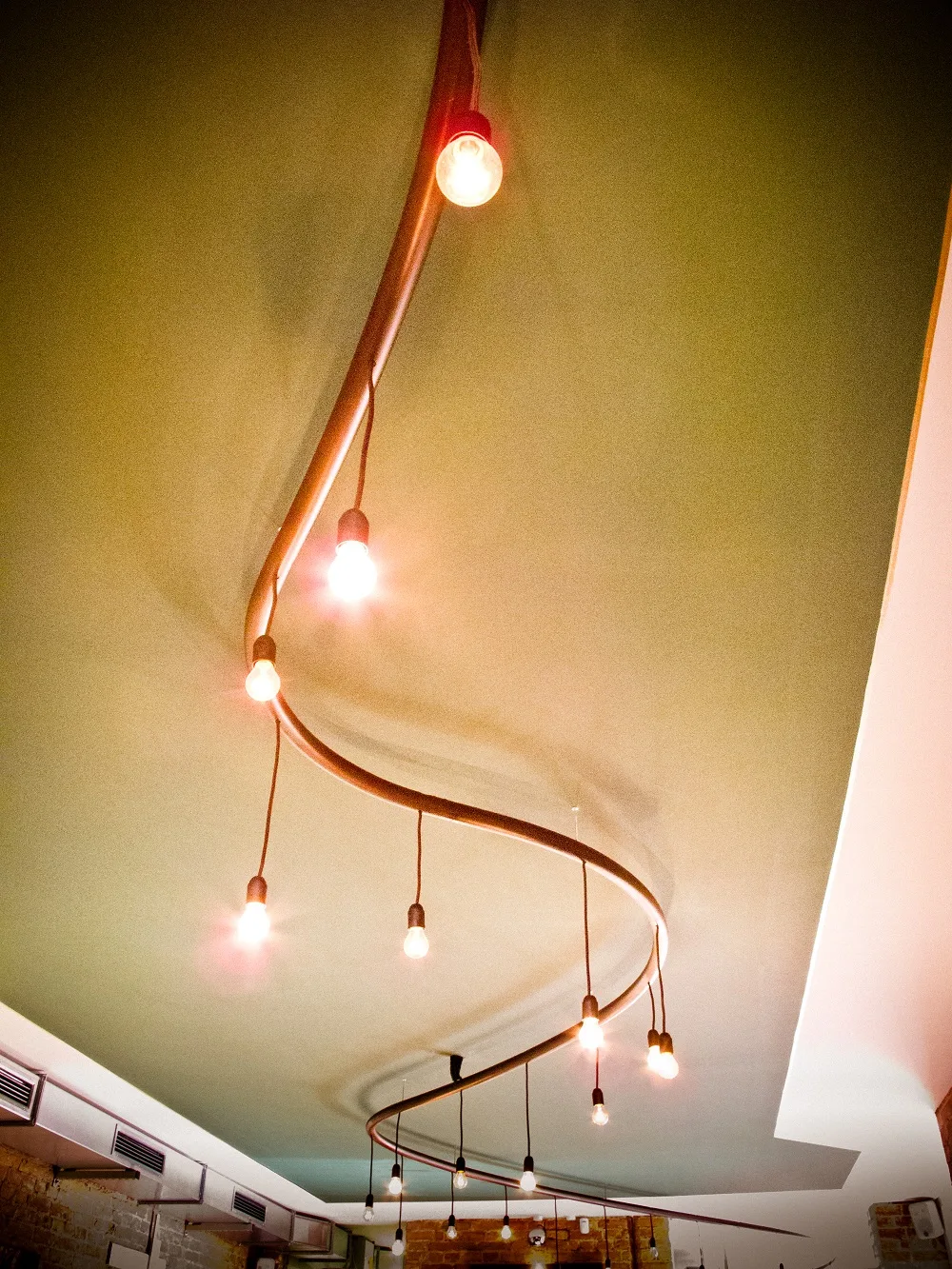
Commercial façade lighting

Commercial façade lighting covers shopfronts, offices, strata buildings, warehouses and hospitality frontages, plus the car parks and entries around them. For a business the priorities are reliability, minimal downtime and compliance, because a dark entry is both a safety risk and a poor first impression.
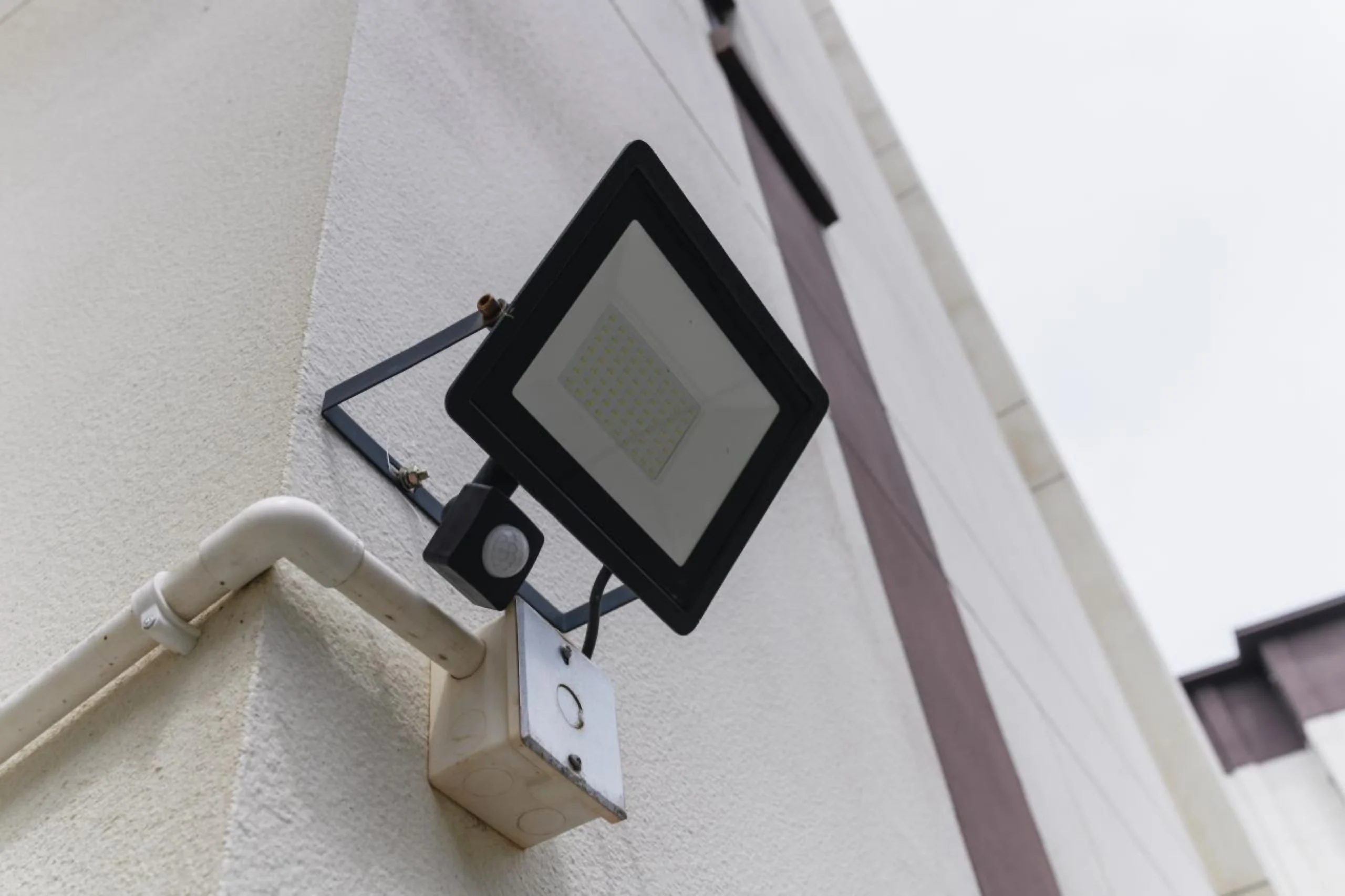
Spotlights and floodlights

A spotlight has a narrow beam for picking out a tree, a feature wall or a sign. A floodlight has a wide beam for driveways, yards, sheds and courts. Replacing an old 500 W halogen floodlight with a modern LED unit gives you the same coverage for a fraction of the power and heat.
What actually goes wrong with outdoor lights in Brisbane

Most callouts we see for outdoor lighting trace back to installation choices, not the light itself.

01

Lights flicker or die after rain.

Usually moisture in a joint or fitting. The fix is properly sealed connections and fittings with the correct IP rating, not tape and a terminal block buried in a garden bed.

LOAD
02

Everything is dead after a storm.

Either the safety switch has tripped or a surge has damaged the LED drivers. Surge protection at the switchboard reduces the risk of the second one.

CONNECTION
03

Sensor lights fire all night.

Brushtail possums, cats, swaying palm fronds and sensors aimed at the street are the usual culprits. Correct positioning, sensitivity and masking solve most of it.

PROTECTION
04

A cable gets cut in the garden.

Shovels, edgers and trenchers find shallow or unprotected cable. Correct burial depth, conduit and marker tape prevent it.

RULES
05

Fittings fill with insects or geckos.

Poor gasket seals let them in, and cool-white light draws more insects than warm white.

RULES
06

Fittings disappear behind the plants.

Brisbane gardens grow fast. Placement should allow for what the garden will look like in three years, not on install day.

RULES

Which power supply suits which outdoor lights?

For most Brisbane homes a mix works best: 240 V for security floodlights and deck lighting, and 12 V for the garden and paths.

Factor 240 V Mains Fittings 12 V Low-Voltage System Solar Lights
Best for Security floodlights, deck lights, wall lights, commercial Gardens, paths, uplights, step lights Small accents in spots with no cable access
Output Highest Moderate, easily adjusted Lowest and varies with sun
Wiring Fixed circuit, safety-switch protected 240 V supply point to a driver, then low-voltage cable None
In Brisbane conditions Very reliable when correctly sealed Very reliable with a protected driver Falls off in shade, after storms and as batteries age in the heat
Licensed electrician needed? Yes Yes for the 240 V side Not for the light, but limited in what it can do

How an outdoor lighting job runs

01

Site visit.

We walk the property in daylight, check the switchboard capacity and existing circuits, and work out the cable routes.
02

Plan and quote.

You get an itemised quote covering fittings, controls, cable routes and any trenching or making good.
03

Rough-in.

Cabling and supply points go in first, so nothing is fitted until the wiring is right.
04

Fit, test and aim.

We fit the lights, test every circuit and safety switch, then aim and adjust at dusk where possible, because you can't judge a beam in daylight.
05

Handover.

We show you how the sensors, timers and dimmers work and leave the site tidy.

Areas we service


If you’re searching for an outdoor electrician near you in Brisbane, these are the areas we regularly work in:

  • Brisbane Northside: Chermside, Aspley, Kedron, Nundah, Clayfield, Ascot, Hamilton
  • Brisbane Southside: Carindale, Camp Hill, Coorparoo, Mount Gravatt, Sunnybank, Holland Park
  • Bayside and west: Wynnum, Manly, Indooroopilly, Kenmore, The Gap, Ashgrove

Not sure your suburb is covered? Send us the address and we’ll confirm.

Why Brisbane property owners choose EP3

Frequently Asked Questions

How much does outdoor light installation cost in Brisbane?
The cost depends on the number of fittings, the supply type, the cable route and site access, not just the lights themselves. Swapping one sensor floodlight on an existing circuit is a small job. A full garden, deck and pathway scheme with trenching, a new circuit and switchboard work is a larger one. The main cost drivers are trenching through paving or established gardens, switchboard capacity, fitting quality, control systems such as timers and smart switches, and work at height. We give an itemised quote after seeing the site.
A straightforward floodlight or wall-light replacement is often finished in one visit. A full garden, deck and path scheme usually takes a day or more depending on trenching and access, and commercial façade work is staged around the building. We’ll give you an estimate at the quote stage.
A layered setup works best: a constant low-level light at doors and paths, plus motion-activated LED floodlights covering the side access and back yard. Mount them high enough to prevent tampering and aim them down, so they light the ground and not the neighbours.
For gardens and paths, usually yes. 12 V systems are gentler, easier to adjust and more forgiving of small cable damage. For security floodlights, deck lighting and anything needing high output, 240 V is the better choice. Both need a licensed electrician for the mains connection.
At least IP65 for exposed positions such as walls and eaves, IP67 for in-ground uplights, and IP68 for anything submerged, including underwater pool lights. The rating is defined by AS 60529.
Yes. Pool lighting must follow the zone rules in AS/NZS 3000: underwater lights run at extra-low voltage through a safety isolating transformer located outside the pool zones, on a safety-switch-protected circuit. We install, replace and convert to LED.
Yes. Outdoor lighting circuits should be protected by a 30 mA safety switch (RCD), which shuts off power within milliseconds if it detects a leak to earth. If yours trips when it rains, don’t keep resetting it. Have the circuit tested.
Yes, and it’s one of the most common jobs. LED units use a fraction of the power, produce far less heat and last much longer. We check the wiring and mounting at the same time, since old fittings often hide old problems.
Warm white (2700 K to 3000 K) suits gardens, decks and entertaining areas, and tends to attract fewer insects. Neutral white (3000 K to 4000 K) suits security and work areas. Anything above about 5000 K looks harsh and glary in a residential setting.
Yes. We handle shopfronts, offices, strata buildings and commercial frontages, with scheduled controls and staged installation to limit disruption to trade.