Residential Electrical Services Brisbane
If a light switch feels warm, a circuit keeps tripping, or your switchboard still has ceramic fuses instead of circuit breakers, that's your home telling you something. EP3 Electrical Services provides residential electrical services across Brisbane, from Northside suburbs like Chermside and Aspley to Southside areas including Sunnybank and Mount Gravatt. Our licensed electricians handle everything from a single power point to a full home rewire, and every job is completed to
Australian Standards (AS/NZS 3000).
Most homeowners don’t think about their electrical system until something goes wrong. By then, it’s often not just an inconvenience — it’s a safety risk. This page covers what residential electrical services actually involve, the warning signs Brisbane homeowners shouldn’t ignore, and why getting the work done properly the first time matters.
What Are Residential Electrical Services?
Residential electrical services cover the installation, repair, maintenance, and upgrade of electrical systems in homes including wiring, switchboards, power points, lighting, safety switches, and smoke alarms. A licensed electrician carries out this work to ensure it's safe, compliant with Australian Standards, and won't cause problems down the track like overheating, fire risk, or power failure.
- In practice, this includes work such as:
- Switchboard upgrades and safety switch (RCD) installation
- General power point and lighting installation or repair
- House rewiring, partial or full
- Ceiling fan installation
- Smoke alarm installation and compliance upgrades
- Hot water system and appliance circuits
- Outdoor and garden lighting
- Data cabling and NBN points
- CCTV and security system wiring
- Electrical safety inspections
Warning Signs You Shouldn't Ignore
Some electrical problems announce themselves. Others sit quietly until they cause real damage. Here's what to watch for:
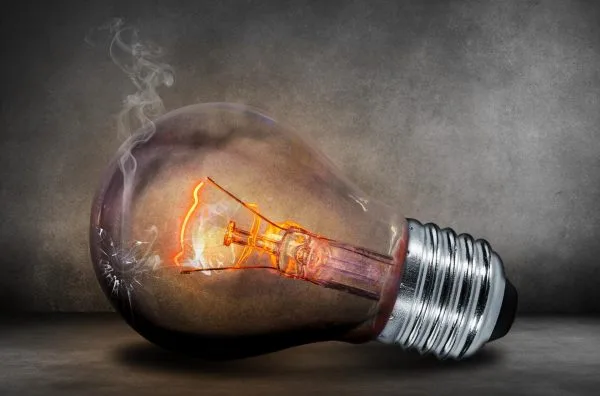
Flickering or dimming lights
often caused by loose wiring, an overloaded circuit, or a failing switchboard connection. In older Brisbane homes, deteriorated wiring insulation is a common culprit and should be checked by a licensed electrician rather than left alone.
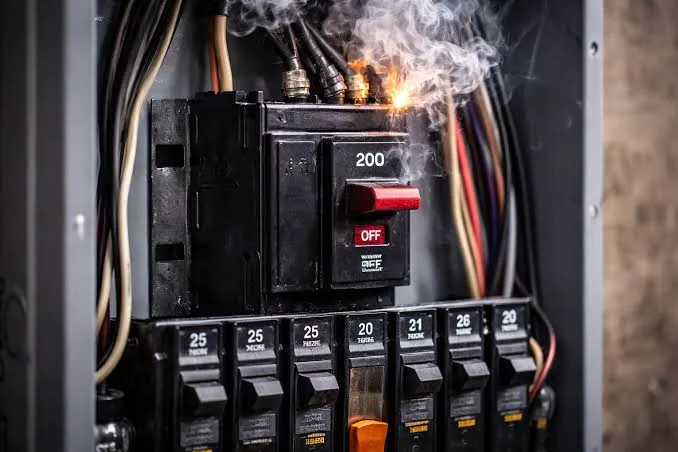
Circuit breakers or fuses tripping repeatedly
usually means a circuit is overloaded or there's a fault somewhere in the wiring.
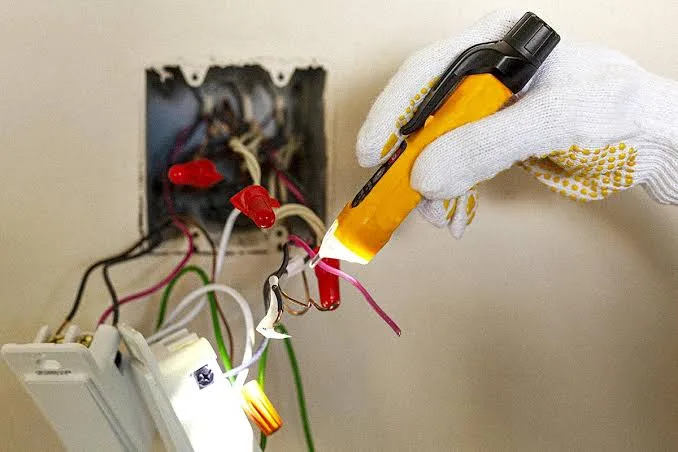
Warm power points or switches
this is not normal and should be treated as urgent. Heat at a power point can indicate a loose connection arcing inside the wall.
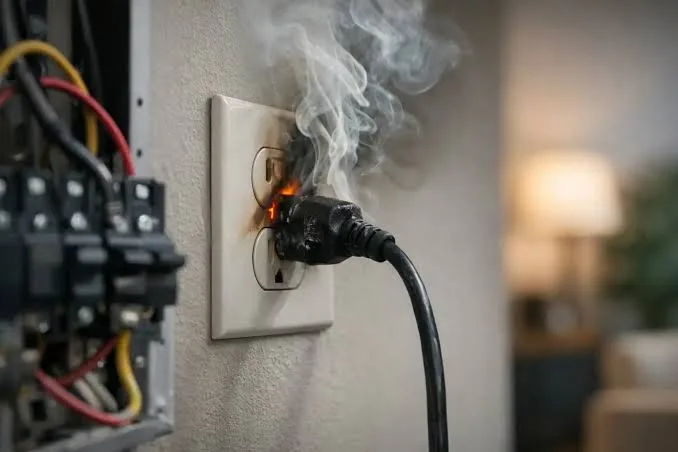
Burning smell with no obvious source
stop using the circuit and get it inspected immediately.
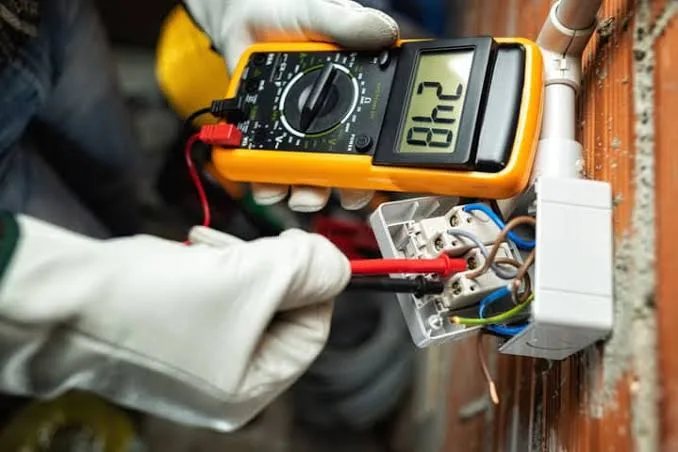
Buzzing or crackling sounds from the switchboard
a sign of a deteriorating connection or component failure.
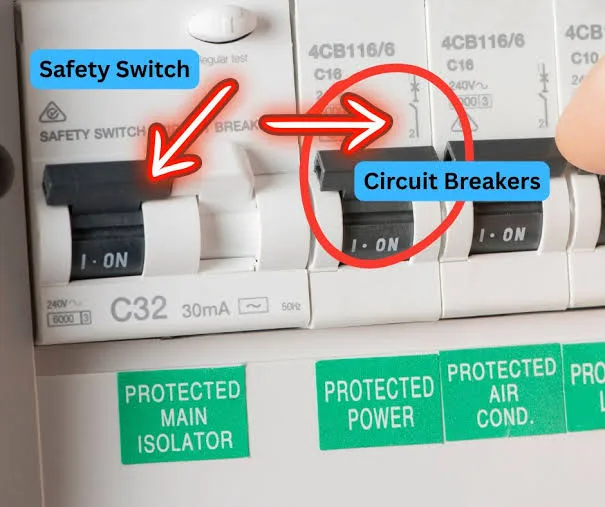
No safety switch on your switchboard
if your switchboard only has circuit breakers or old fuses and no RCD, you don't have the protection modern Australian homes are required to have.
Who Needs Residential Electrical Services?
You don't need to wait for a fault to justify calling an electrician. Common reasons Brisbane homeowners get in touch include:
Buying or selling a home
a pre-purchase electrical inspection can flag issues before they become your problem, or your buyer's negotiating point.
Renovating
kitchens, bathrooms, and extensions almost always need new circuits, extra power points, or a switchboard reassessed for added load.
Older Queenslanders
many Brisbane properties built before the 1980s still have original wiring, fuse-based switchboards, or no safety switch at all.
New parents
safety switches and smoke alarms are non-negotiable when there's a baby in the house.
Landlords
Queensland rental law requires interconnected smoke alarms and compliant safety switches; non-compliance carries real legal and financial risk.
Anyone noticing
warning signs see below.
Common Problems in Brisbane Homes
Brisbane's housing stock is a mix of eras, and each brings its own electrical quirks:
Older Queenslanders and pre-1980s homes
Many still run on wiring that predates current safety standards. Fabric or rubber-insulated cabling degrades over decades, especially in Brisbane's heat and humidity, which accelerates wear on older insulation. These homes often need a full or partial rewire, particularly if a safety switch keeps tripping when you can't find an obvious cause — that's frequently the old wiring itself, not a specific appliance.
1990s–2000s brick homes
Generally sounder wiring, but switchboards from this era are often undersized for how much modern households now use — air conditioning, EVs, home offices, entertainment systems. An upgrade is often about capacity, not safety failure.
New builds and renovations
Usually compliant from day one, but additions like pools, sheds, or granny flats need their own circuit assessment and, in some cases, a separate switchboard.
Residential customers call us for the same reasons on a smaller scale a safety switch that keeps tripping, a circuit that’s gone dead, or an older Brisbane home where the wiring’s degraded enough that faults are becoming a pattern rather than a one-off.
Why Professional Installation and Compliance Matter
DIY electrical work in Australia isn't just discouraged — for anything beyond basic tasks like changing a light globe, it's illegal without a licence. There are three reasons this matters beyond the law:
Fire risk.
Incorrect wiring, wrong cable ratings, or poor connections are a leading cause of house fires. Queensland Fire and Emergency Services regularly attribute residential fires to electrical faults.
Insurance.
Most home insurance policies won't pay out on a claim linked to non-compliant electrical work carried out without a licensed electrician.
Resale and compliance.
Unlicensed work has to be disclosed or rectified when you sell, and it can hold up settlement.
Residential vs Commercial Electrical Services — What's the Difference?
Homeowners sometimes ask why residential electrical work is priced or scoped differently to commercial jobs. The short answer: scale and standards.
| Factor | Residential | Commercial |
|---|---|---|
| Typical load | Lower, single-phase in most homes | Higher, often three-phase |
| Compliance focus | Safety switches, smoke alarms, switchboard capacity | Test and tag, emergency lighting, workplace compliance |
| Urgency drivers | Family safety, day-to-day reliability | Downtime cost, business continuity |
| Common work | Rewiring, lighting, power points, fans | Switchboard upgrades, data infrastructure, compliance audits |
Benefits of Getting It Done Properly
Safety
reduced risk of shock, fire, and appliance damage
Reliability.
fewer nuisance trips, fewer unexplained outages
Energy efficiency.
modern circuits, LED lighting, and correctly sized cabling reduce wasted power
Property value.
a compliant, well-documented electrical system is an asset when selling
Peace of mind.
particularly for safety switches, smoke alarms, and switchboards where the cost of getting it wrong is high
Why Choose EP3 Electrical Services
- Licensed and insured electricians. Servicing Brisbane, Northside and Southside.
- Upfront quotes before work starts. No surprise call-out fees.
- Compliant with AS/NZS 3000 and Queensland electrical safety regulations. Every job is carried out to the required standards.
- Clean, respectful work on-site. We treat your home like it's ours to look after.
- Clear communication from booking through to completion.
- Local knowledge of Brisbane's housing stock. From Queenslanders to new-build estates.