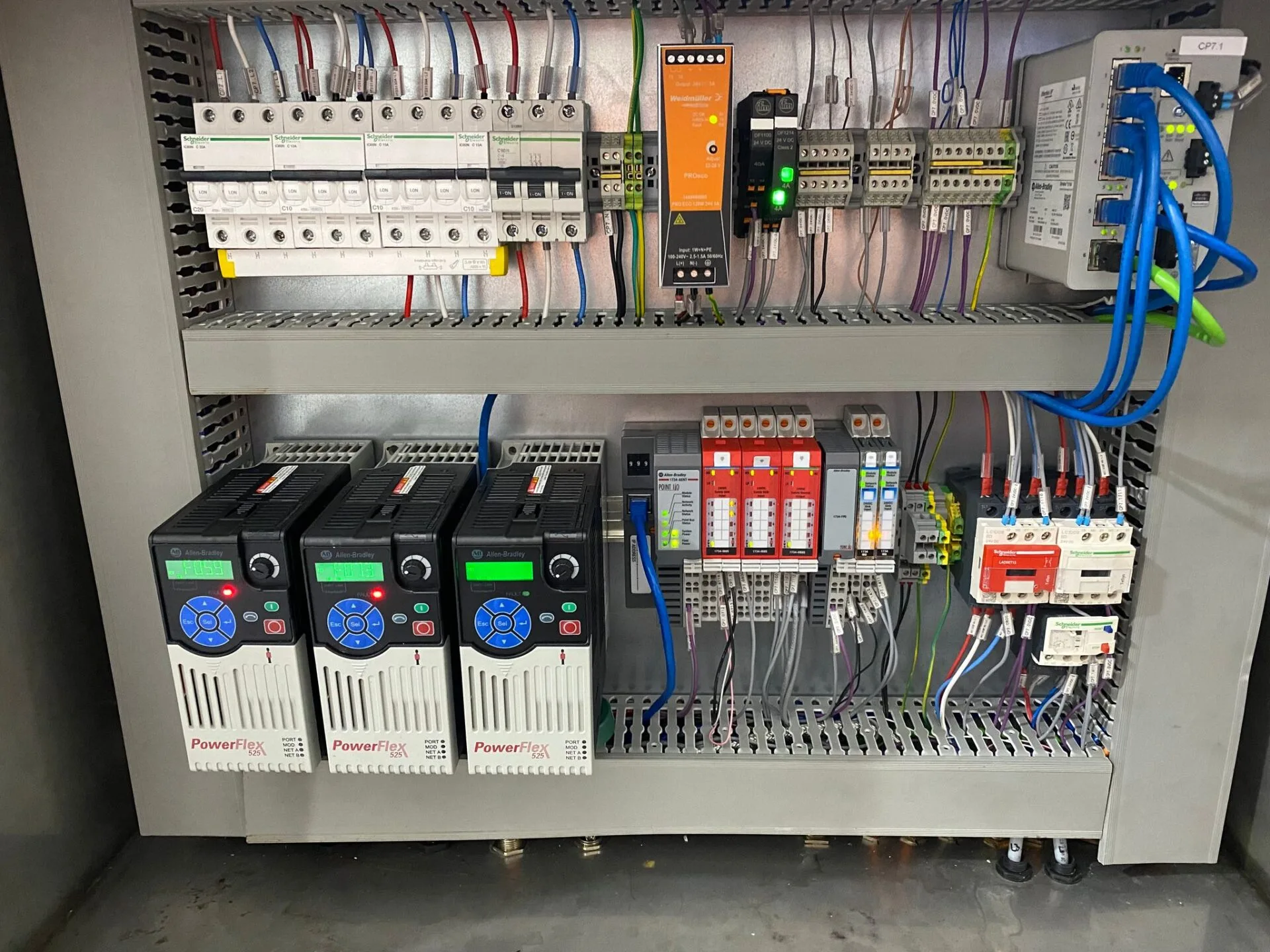
Electrical Fault Finding & Repairs Brisbane
If your power keeps dropping out, your safety switch won't stay reset, or an electrician has already had a go and the fault's still there, this is exactly the job we do every week across Brisbane's Northside, Southside, Logan, Redlands, Ipswich and the Gold Coast.
Common Signs You Need Fault Finding, Not Just a Repair
Some of these point to a straightforward fix. Others are signs of a deeper problem building in the wiring or switchboard that's worth getting in front of before it causes an outage or worse.
A circuit breaker or safety switch that trips repeatedly
especially if it won't stay reset or trips with nothing obviously plugged in
Flickering or dimming lights
particularly if it happens across multiple circuits or gets worse when other equipment starts up
Power loss to part of a building
while the rest stays on a classic sign of a circuit-level fault rather than a supply issue
Burning smells, buzzing, or a warm switchboard
Common in Brisbane homes built before the early 1980s.
Outlets or switches that are warm, discoloured, or crackle
or crackle when used Equipment cutting out or resetting unexpectedly, which in commercial settings often points to voltage drop or a loose connection under load
Intermittent faults
that come and go, making them impossible to diagnose without proper testing equipment
A previous repair that hasn't held
the breaker's been reset, a part's been swapped, but the same fault keeps coming back
Who Needs Fault Finding Services
Commercial and industrial premises are where fault finding matters most, because every hour without power is an hour of lost trade, idle staff, or stalled production. We regularly work with:
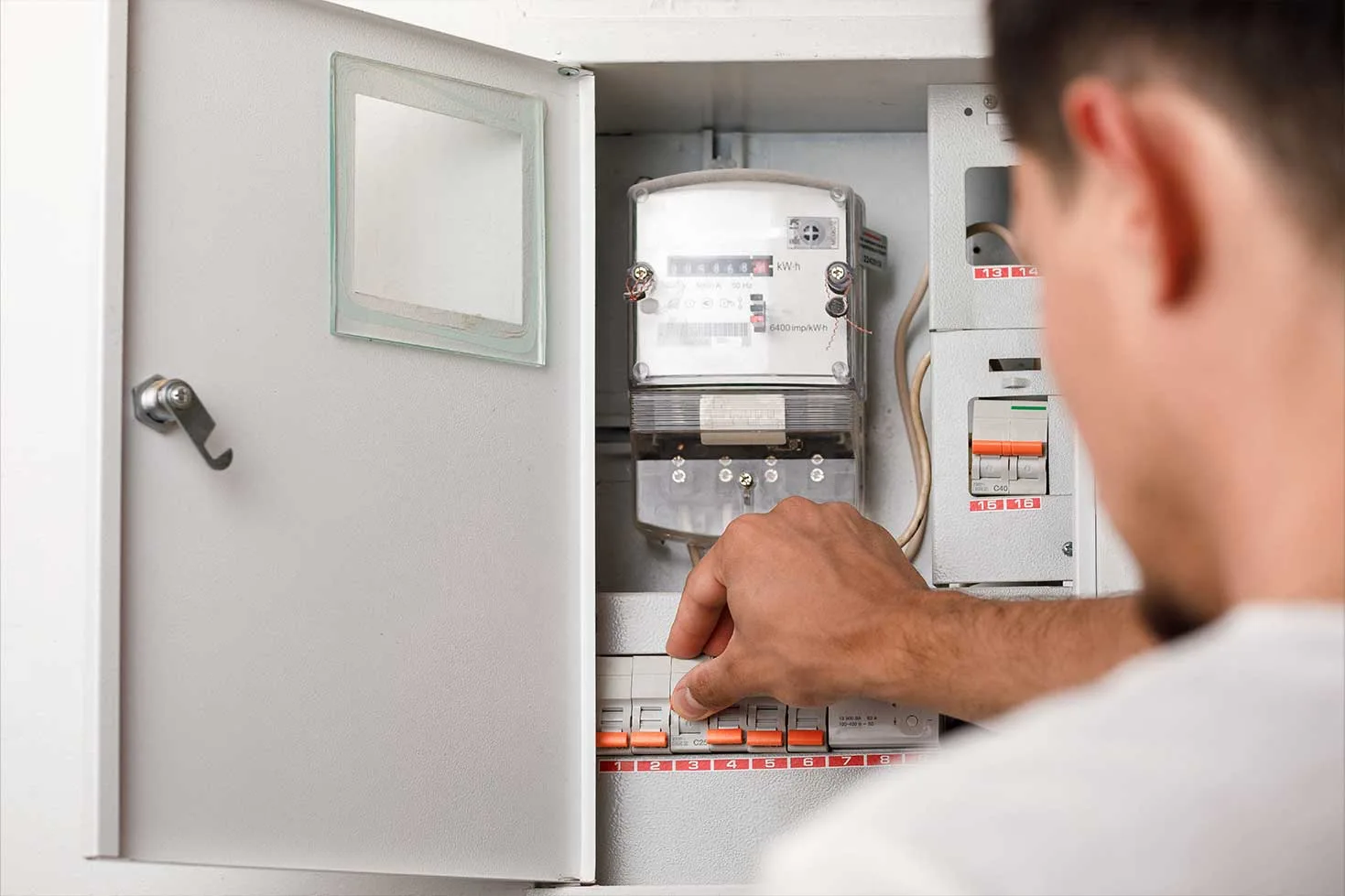
Offices and commercial tenancies
dealing with recurring circuit trips, flickering lighting, or power loss affecting workstations and IT equipment
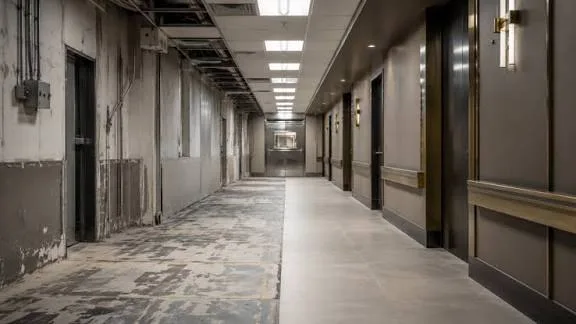
Retail and hospitality venues
where a dead circuit means dead registers, dead fridges, or a dining room with half the lights out during service
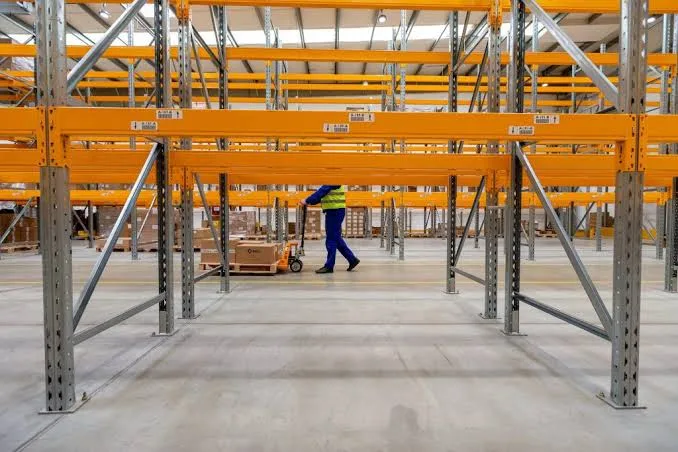
Warehouses and light industrial sites
where three-phase faults, motor circuit issues, or switchboard failures can stop equipment outright
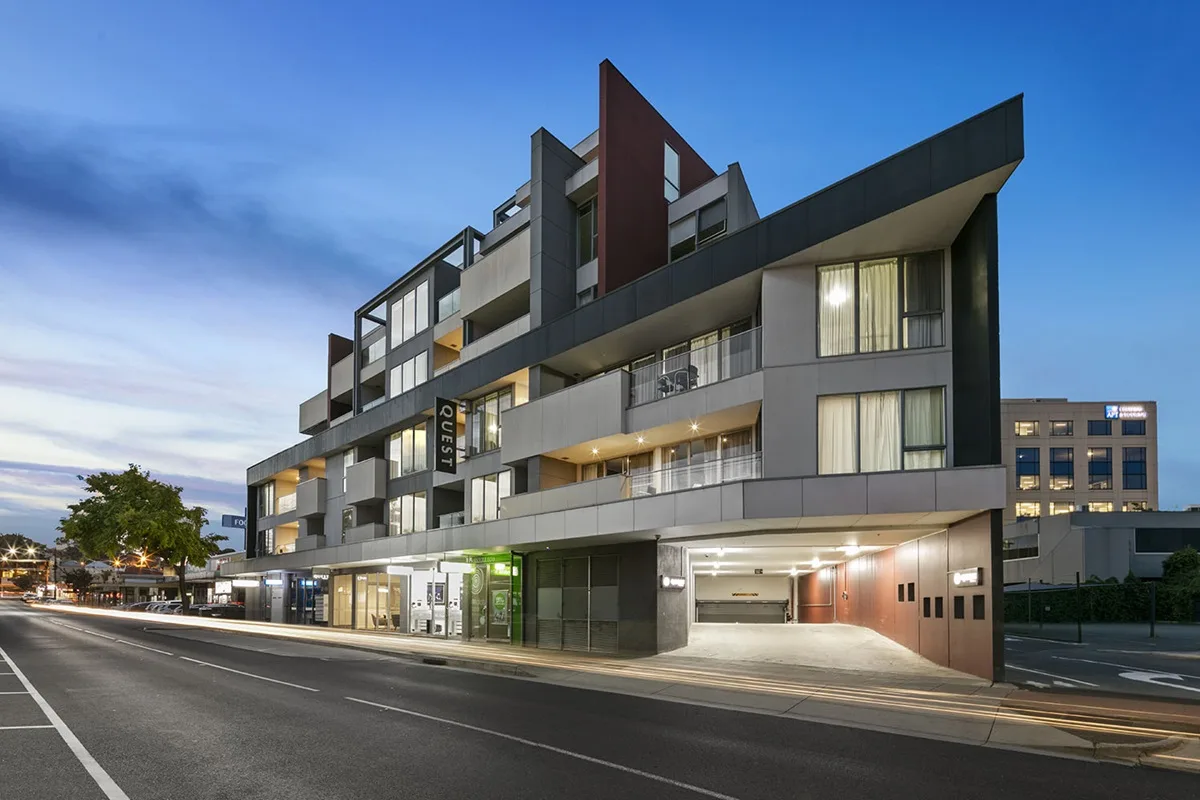
Body corporates and strata-managed buildings
needing fault diagnosis in shared switchboards, common area circuits, or car park lighting

Property and facilities managers
who need a fault documented, fixed, and compliant before the next tenant inspection or insurance review
Residential customers call us for the same reasons on a smaller scale a safety switch that keeps tripping, a circuit that’s gone dead, or an older Brisbane home where the wiring’s degraded enough that faults are becoming a pattern rather than a one-off.
What Causes Electrical Faults in Brisbane Properties
Overloaded circuits
Older buildings including plenty of Brisbane's Queenslander-era homes and older commercial fit-outs were wired for a fraction of the load modern equipment demands.
Loose or deteriorated connections
Every connection in a switchboard is a potential point of resistance. Over time, vibration, thermal cycling, and age let terminals work loose, which generates heat, and heat accelerates further deterioration.
Earth faults & short circuits
These happen when current escapes its intended path — a hot wire contacting neutral or earth, often from damaged insulation, water ingress, or a compromised fitting. Safety switches are designed to catch these fast, but repeated tripping means the fault is still there, just being caught before it does damage.
Moisture & pest damage
Brisbane's humidity and storm season take a toll on outdoor circuits, garages, and older wiring. Rodents chewing through cabling in roof cavities is more common than most property owners realise, and it's a frequent cause of intermittent faults that seem to make no sense until you're up in the ceiling with a torch
Ageing switchboards & wiring
A lot of Brisbane properties particularly pre-1980s housing stock and older commercial buildings are still running on original wiring or switchboards that predate current safety switch requirements. These don't always fail dramatically; they fail gradually, showing up as recurring faults in different parts of the system.
Storm & surge damage
Southeast Queensland's storm season is hard on electrical systems. A near-miss lightning strike or a grid-side voltage surge doesn't always trip something immediately it can weaken components that then fail weeks later, which is why post-storm fault callouts are common in Brisbane through summer.
Fault Finding vs. General Electrical Repairs
| Factor | Fault Finding | General Repair |
|---|---|---|
| When it's used | Cause is unknown or intermittent | The faulty item is already identified |
| Approach | Systematic testing multimeter, insulation resistance testing, circuit isolation, thermal imaging on complex jobs | Direct replacement or repair of the known component |
| Typical triggers | Recurring trips, flickering across circuits, unexplained outages, previous repairs that haven't held | A broken switch, dead power point, faulty light fitting |
| Time on site | Longer diagnosis has to happen before the fix | Usually quicker, since the problem is already known |
| Best suited to | Intermittent, recurring, or unexplained electrical problems | Straightforward, visible faults |
| Outcome | Root cause identified and documented, fix confirmed against AS/NZS 3000 | Component repaired or replaced to working order |
How We Approach Fault Finding
Initial assessment and history.
Visual inspection.
Circuit isolation and testing.
Thermal imaging where needed.
Diagnosis and explanation.
Repair and compliance check.
Testing and handover.
Why Choose EP3 Fault Finding in Brisbane
- We diagnose before we quote a fix. Guessing at parts and replacing them one at a time is slower and more expensive than testing properly from the start — we don't do that.
- We carry proper diagnostic equipment, including thermal imaging for commercial and switchboard work, so intermittent and load-related faults that don't show up on a basic visual check still get found.
- We work around your operating hours where possible. For commercial clients, we know a fault-finding job in the middle of trade can be as disruptive as the fault itself — we'll talk through timing that minimises impact on your business.
- Local Brisbane knowledge. We know the difference between what's typical for a 1960s Brisbane worker's cottage and what's typical for a 1990s commercial fit-out in Fortitude Valley, and that shapes where we look first.
- Straightforward communication. You'll get a clear explanation of what's wrong, why it happened, and what fixing it properly involves before we start the repair, not after.
- Coverage across the whole region. Brisbane Northside and Southside, Logan, Redlands, Ipswich, and the Gold Coast, with fast response for urgent commercial and safety-critical faults.