Safety Switch Installation Brisbane
EP3 Electrical Services installs, tests and upgrades safety switches (RCDs) and combined RCBOs across homes, offices, retail premises, warehouses and strata buildings throughout Brisbane, Logan, Redlands, Ipswich and the Gold Coast, to bring switchboards into line with AS/NZS 3000 and Queensland's Electrical Safety Regulation 2013.
What Is a Safety Switch?
A safety switch also called an RCD (Residual Current Device) is a protective device fitted to a switchboard that constantly monitors the current flowing out through a circuit against the current returning. If it detects even a small imbalance, which usually means electricity is leaking to earth through a person, water, or damaged insulation, it cuts power to that circuit in well under half a second. That's fast enough to prevent a fatal shock, though it does nothing to protect the circuit itself from overload that's a separate job, handled by a circuit breaker.
Safety switches are different from the old ceramic fuses or standard circuit breakers still found in a lot of pre-2000 Brisbane properties. A circuit breaker trips on overcurrent too many appliances drawing too much power. A safety switch trips on earth leakage, which is what actually causes electrocution. A switchboard can have circuit breakers and still have zero shock protection if no RCD is fitted.
Warning Signs You're Overdue for an Upgrade
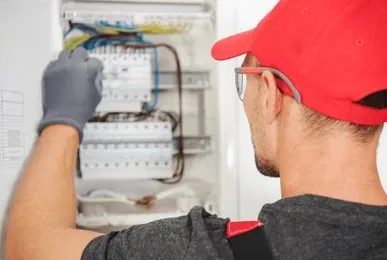
No safety switch labelled on the switchboard at all just circuit breakers or, in older properties, ceramic fuses
Only one or two circuits protected while the rest of the board (lighting, hot water, air con) has none
The safety switch trips the moment you press the test button and won't reset it's failed and needs replacing, not resetting
Frequent nuisance tripping that's leading staff or tenants to leave the safety switch permanently switched off (a serious risk in itself)
A switchboard that's never been tested, or where nobody on site knows the last test date
Older Queenslander or post-war Brisbane homes still running original wiring with no earth leakage protection at all
Why Professional Installation Matters
Safety switch and RCBO installation is licensed electrical work in Queensland it's not a DIY switchboard job, and it's not something to leave to whoever's cheapest. A safety switch wired incorrectly, undersized for the circuit load, or fitted without proper earthing can fail silently, giving you a false sense of protection that's arguably worse than having none. We test every installation against AS/NZS 3000 requirements and leave you with a switchboard that's clearly labelled and genuinely fit for purpose, not just compliant on paper.
RCD vs RCBO What's the Difference?
This is one of the most common questions we get from commercial clients upgrading a switchboard, so it's worth setting out clearly.
| Factor | RCD (Safety Switch) | RCBO |
|---|---|---|
| Primary function | Detects earth leakage and cuts power to prevent electric shock | Combines earth leakage detection and overcurrent/short-circuit protection in one device |
| Overload protection | No — a separate circuit breaker is still needed on the circuit | Yes — built in, no separate breaker required |
| Typical coverage | Often protects a group of circuits (e.g. all power points on one RCD) | Usually installed per individual circuit |
| What happens on a fault | Only the RCD's protected group loses power | Only the single faulty circuit loses power — everything else stays on |
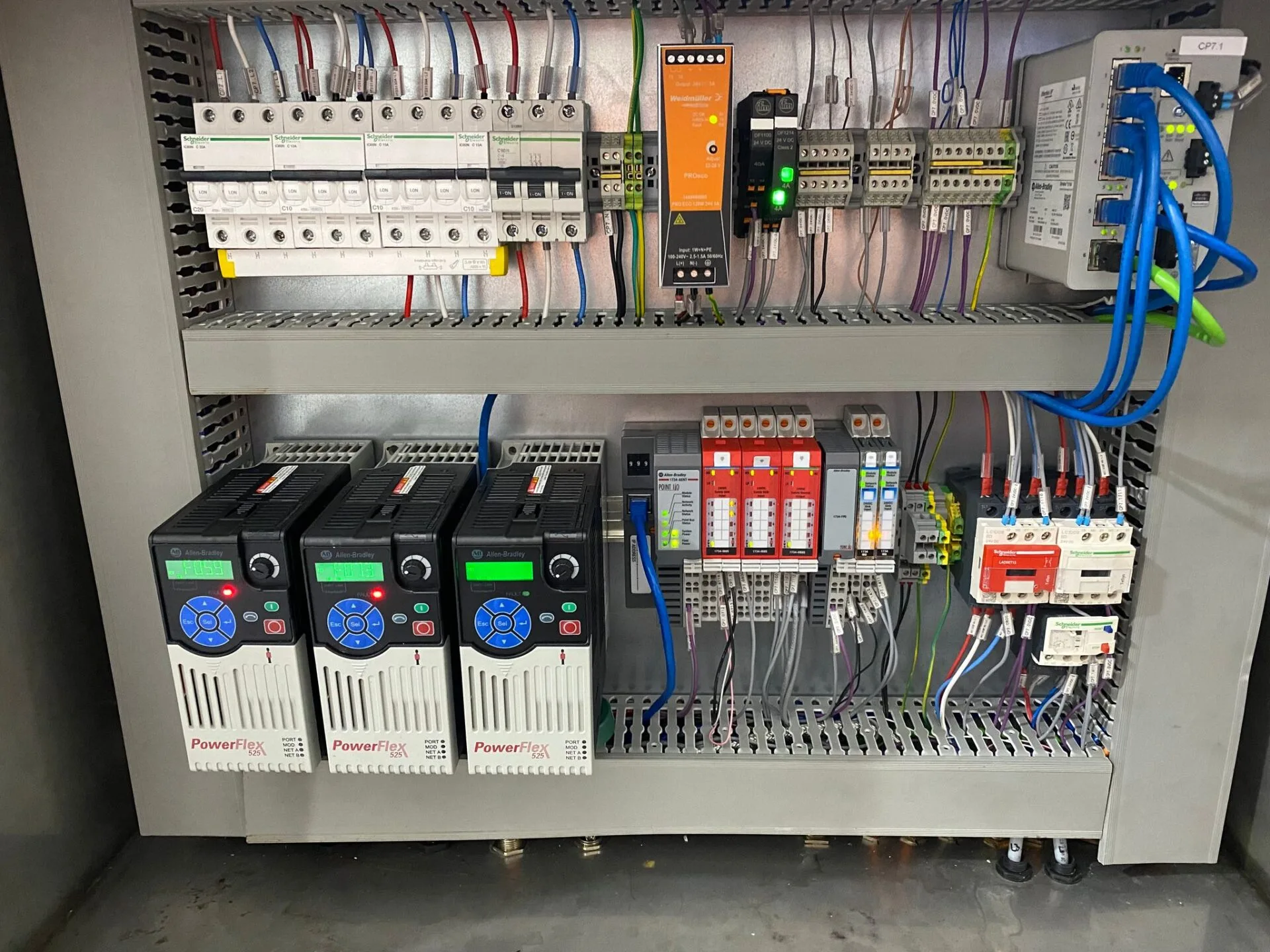
| Best suited to | Standard domestic switchboards, budget-conscious upgrades | Server rooms, commercial installations, and situations where circuit-by-circuit protection is preferred |
Where Safety Switches Should Be Fitted
The minimum legal requirement covers power point circuits, but we recommend commercial and residential clients protect every circuit in the property, including:
- General power outlets and workstations
- Lighting circuits
- Air conditioning and HVAC plant
- Hot water systems
- Kitchen and appliance circuits
- Pool and spa equipment
- Outdoor power and garden lighting
For commercial sites running server racks, refrigeration, or process equipment that can’t tolerate downtime, this is exactly where the RCD vs RCBO decision matters most we’ll flag any circuit where a group RCD could cause disproportionate disruption if it trips, and recommend dedicated RCBO protection instead.
Our Installation Process
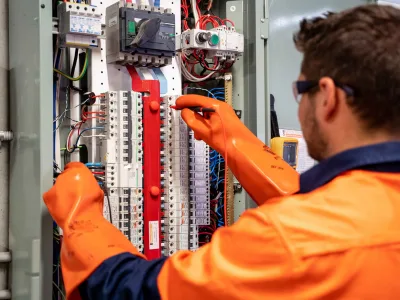
Switchboard assessment.
Recommendation.
Installation.
Testing and sign-off.
Safety Switch Testing and Maintenance
Having a safety switch fitted isn't a one-off job it needs to actually work when a fault occurs. Queensland's Electrical Safety Office recommends pressing the test button on every safety switch at least once every three months. Pressing "Test" should immediately trip the switch and cut power to its circuit; resetting it to "On" restores supply. If a safety switch doesn't trip when tested, it's faulty and needs replacing straight away it's providing no protection at all. For commercial and strata sites, we can set up a scheduled testing and compliance program so this doesn't rely on someone remembering to do it.
Why Choose EP3 Electrical Services
EP3 is a licensed electrical contractor based in Daisy Hill, servicing Brisbane's Northside and Southside, Logan, Redlands, Ipswich and the Gold Coast. We work on everything from single residential switchboards to multi-tenancy commercial fit-outs and strata common property, and we're upfront about cost drivers and timeframes before any work starts, no vague quotes, no surprise call-out fees. Our electricians turn up when they say they will, leave the switchboard clearly labelled, and give you documentation you can actually hand to a property manager, buyer's solicitor, or workplace auditor.