
EP3 Electrical

Australian Standards (AS/NZS 3000)

Lighting Installation Brisbane

Whether you're rewiring a Queenslander, adding downlights after a renovation, brightening a dark side yard, or bringing an office up to exit-lighting compliance, the job needs a licensed electrician not because the fittings are complicated, but because the wiring behind them carries real risk if it's done wrong.

Most people don’t think about their lighting until it stops working, starts flickering, or simply looks tired against a renovated kitchen or a freshly landscaped garden. Lighting installation in Brisbane covers a lot more ground than swapping a bulb it’s the wiring, circuit capacity, fitting selection and compliance work that sits behind every light in your home or business. EP3 Electrical Services installs and upgrades lighting across Brisbane’s Northside and Southside, Logan, Redlands, Ipswich and the Gold Coast, working on everything from a single pendant over a kitchen island to full emergency and exit lighting systems for commercial premises.

What does lighting installation actually involve?

Lighting installation is the process of connecting new or replacement light fittings to a property's electrical circuits, including running or extending wiring, fitting switches and dimmers, and testing the finished installation for safety and compliance.

It's different from simply "changing a light" most jobs involve working inside a switchboard-fed circuit, sometimes adding a new circuit entirely, and always working to AS/NZS 3000 (the Australian/New Zealand Wiring Rules) to keep the installation safe and compliant.

A straightforward downlight swap is a small job. Adding a run of garden lighting, installing a chandelier that needs additional ceiling support, or wiring emergency exit lighting into a commercial switchboard are bigger jobs with more that can go wrong if they're rushed or handled by someone unlicensed.

Indoor lighting installation

Indoor lighting is a popular renovation and upgrade choice across Brisbane homes, from LED downlights to modern ceiling lights. We install kitchen, bathroom, track, recessed, under-cabinet and joinery lighting, including suitable IP-rated fittings for wet areas.
Outdoor lighting installation

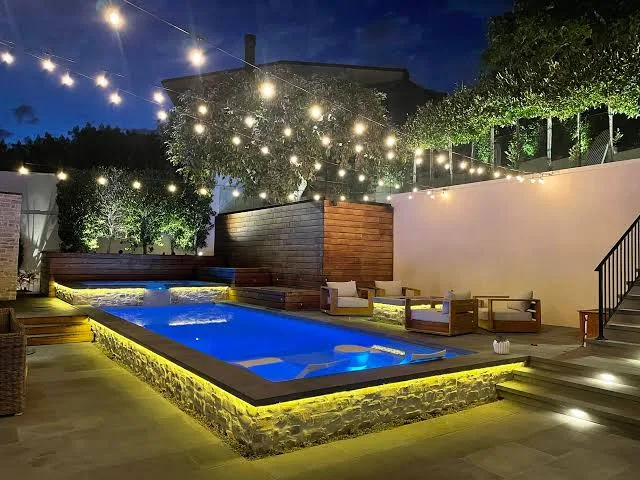
Every outdoor fitting we install is rated for exterior use and wired with weatherproof connections. Using an indoor-rated fitting outdoors, or joining cables without a proper outdoor-rated enclosure, is one of the more common corner-cutting mistakes we get called out to fix usually once corrosion has already set into the fitting or the connection has failed.
LED lighting installation and upgrades

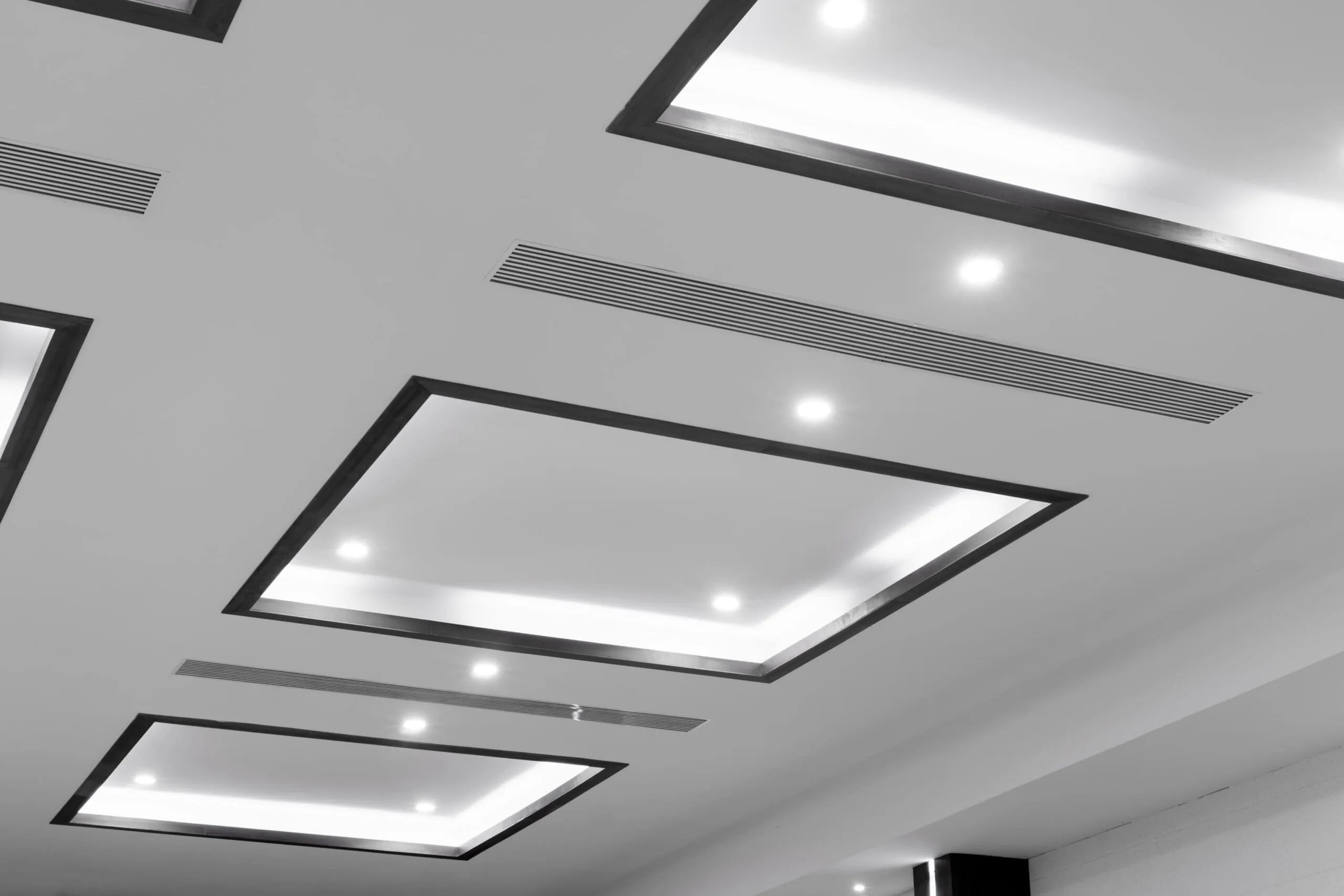
For Brisbane homes with older recessed halogen downlights, switching to LED can be a practical and cost-effective electrical improvement. Most modern lighting installations and upgrades use LED fittings, replacing older halogen or fluorescent lights with more efficient alternatives.
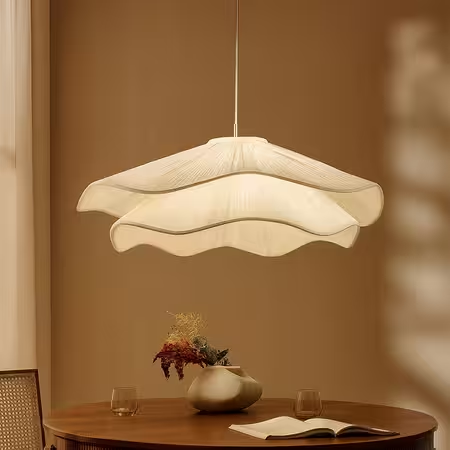
Chandeliers and pendant lights

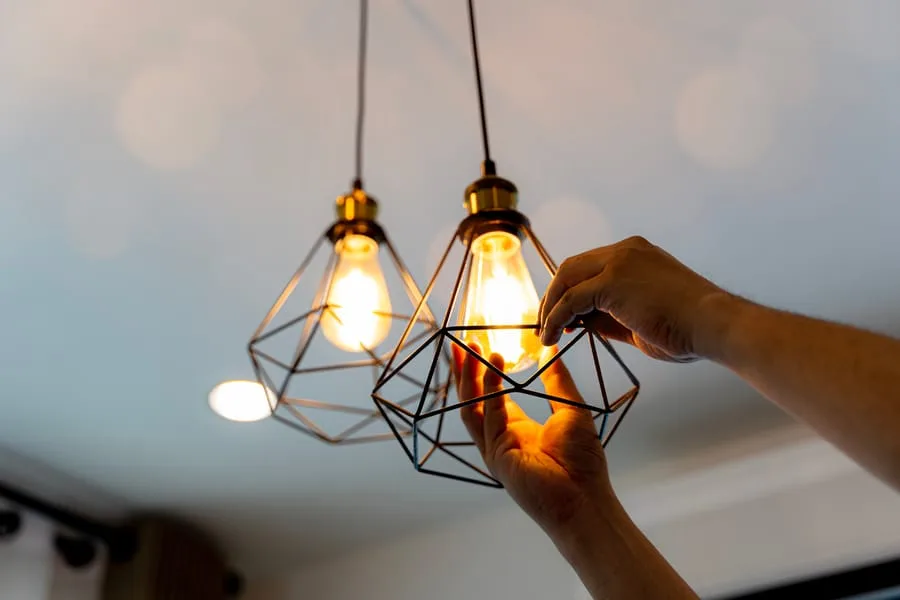
We see a fair number of chandeliers and statement pendants installed in kitchen renovations and dining room updates across Brisbane. Getting the mounting right matters as much as getting the wiring right a fitting that isn't properly supported is a hazard, not just an inconvenience.
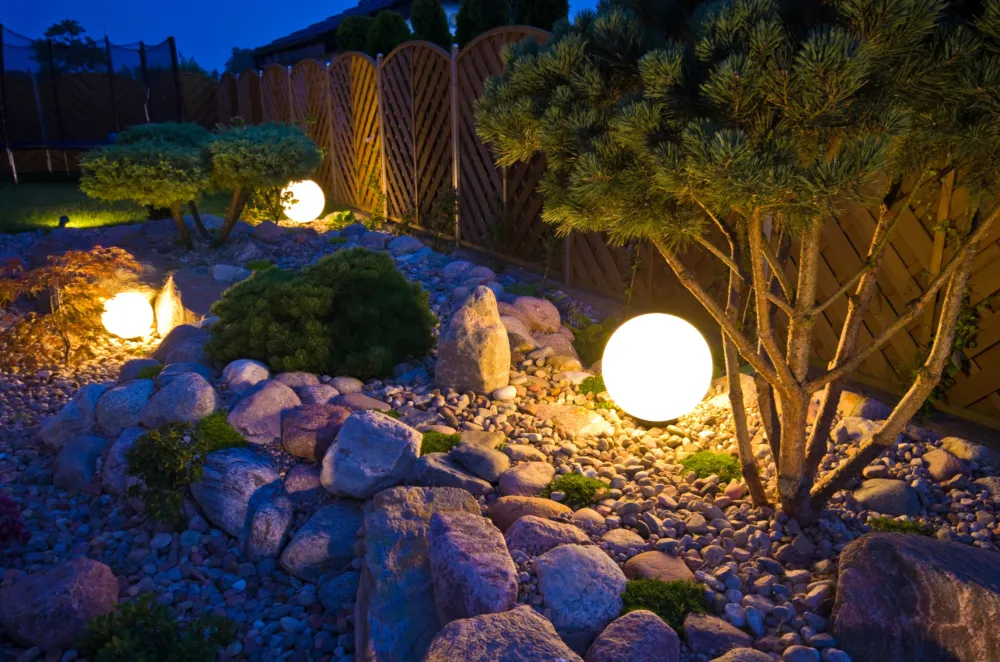
Garden lighting installation

Garden lighting installation is one of the more design-driven parts of the job, but it's still fundamentally an electrical installation that needs to be done to standard. This includes:
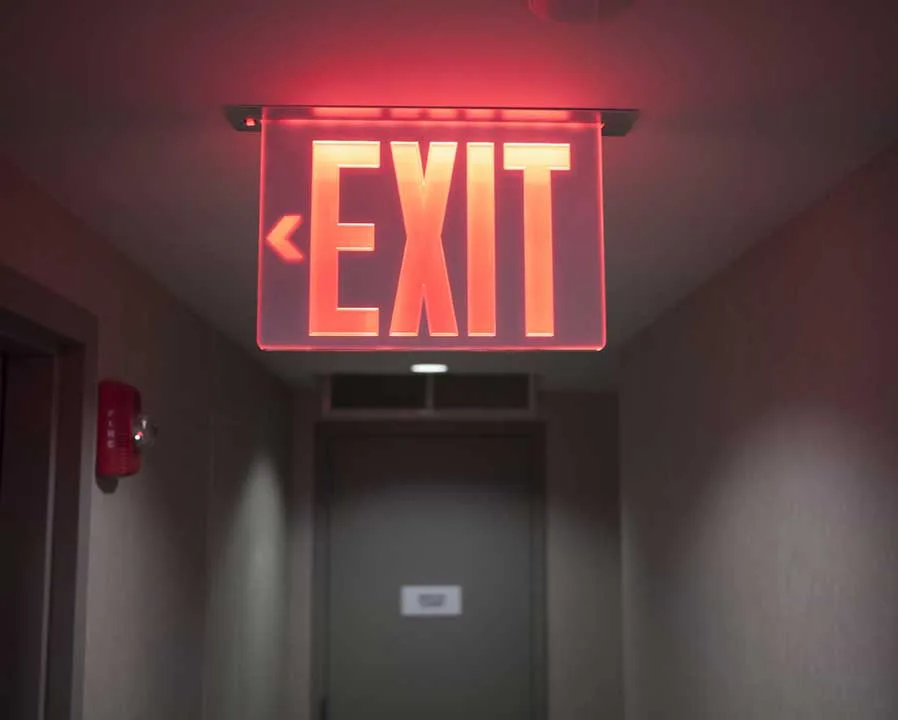
Emergency and exit lighting installation

Emergency and exit lighting is a different category of work again it's not about ambience or aesthetics This applies mainly to commercial premises, multi-unit residential buildings, and any workplace

Why lighting installation should be done by a licensed electrician

Under the Electrical Safety Act 2002 (Qld) and the Electrical Safety Regulation 2013, electrical installation work including most lighting work beyond simply replacing a globe legally has to be carried out or supervised by a licensed electrical contractor in Queensland. There's a safety reason behind that rule as much as a legal one.

Fittings wired directly onto an overloaded circuit, tripping breakers or overheating cabling

Incorrect fitting type used in a wet area (a standard downlight installed in a bathroom zone that requires an IP-rated fitting)

Chandeliers and heavier pendants hung from inadequate ceiling support

Outdoor connections joined without weatherproof enclosures, leading to corrosion and eventual fault

Emergency lighting installed without the testing or spacing required to actually meet AS/NZS 2293

None of these show up as a problem on day one. They tend to surface months later as a tripped safety switch, a fitting that’s failed, or — in the case of non-compliant emergency lighting — a system that doesn’t do its job when it’s actually needed.

Signs your lighting needs attention

01

Lights flickering or dimming when other appliances switch on

02

A safety switch that trips specifically when certain lights are used

03

Visibly discoloured, cracked, or heat-damaged fittings and switch plates

04

Outdoor fittings showing corrosion, moisture inside the housing, or rust around the fixing points

05

Old halogen downlights generating noticeable heat in the ceiling space

06

Exit lighting or emergency lights that don't illuminate during a test or power interruption

Brisbane-specific considerations

Brisbane's building stock and climate both shape how lighting installation gets approached here:

01

Queenslander and pre-1970s homes

often have older wiring and lighting circuits that weren't designed for today's downlight-heavy layouts, meaning circuit capacity needs checking before adding fittings

pre-1970s
02

Subtropical humidity and storm season

Put real stress on outdoor and garden lighting connections, which is why correct IP ratings and weatherproof joins matter more here than in drier climates

humidity
03

Roof cavity heat

In summer makes LED's lower heat output a genuine practical benefit, not just an efficiency talking point, for homes across Brisbane's western suburbs and Ipswich corridor where ceiling temperatures run high

PROTECTION
04

Ongoing local development

Across Logan, Redlands and the Gold Coast fringe means a steady mix of new-build lighting fit-outs alongside older-home upgrades, and the approach differs for each

RULES

Our lighting installation process

01

Assessment

We look at your existing circuits, switchboard capacity and the fittings you want installed, and flag anything (like an undersized circuit) that needs addressing first
02

Quote and scope.

You know what's being installed and why before we start
03

Installation.

Wiring, fitting mounting and connections completed to AS/NZS 3000, with additional AS/NZS 2293 compliance steps for emergency and exit lighting
04

Testing.

Every circuit and fitting tested before we finish, including function testing for any emergency or exit lighting installed

Why choose EP3 Electrical Services

Frequently Asked Questions

Can I install light fittings myself in Queensland?
No in Queensland, electrical installation work including most lighting work must be carried out by a licensed electrician under the Electrical Safety Act 2002. Simply changing a globe in an existing fitting is fine to do yourself; wiring in a new fitting, adding a circuit, or working inside a switchboard is not.
Not usually a special ceiling fitting, but LED downlights do need to be correctly rated for insulation contact (IC-rated) if they’re going into a ceiling with insulation above, which is standard in most Brisbane homes. Using a non-IC-rated fitting under insulation is a fire risk.
The main factor is how many fittings are already on a circuit and what that circuit is rated to carry. If you’re adding several downlights to an older lighting circuit, it’s worth having an electrician check circuit capacity before installation rather than after — it’s a quick check upfront that avoids a tripped or overloaded circuit down the track.
Whether it’s required depends on your building classification under the Building Code of Australia and the type of premises you’re operating. Most commercial, retail and multi-unit residential buildings in Brisbane are required to have compliant emergency and exit lighting under AS/NZS 2293. If you’re unsure whether your premises needs it, that’s worth confirming directly with us or your building certifier.
Under AS/NZS 2293.2, emergency and exit lighting systems require routine testing generally a monthly function check and a more thorough annual discharge test to confirm the system will operate for its rated duration during a mains power failure.
It depends on what’s already on the circuit and how much additional load the new lighting adds. In many cases outdoor and garden lighting can run off an existing circuit; in others, particularly larger garden lighting installs, a dedicated circuit is the safer option. This is something we assess on site rather than quote sight-unseen.